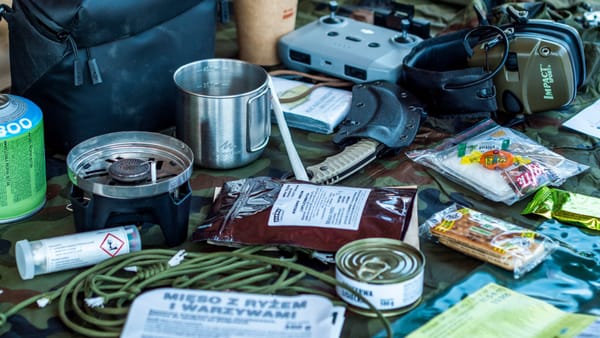
Civilian MREs: what they are, where to buy, and shelf life
What a civilian MRE actually is, whether MREs are legal to buy, how long they last, and whether they belong in your emergency food plan.

What a civilian MRE actually is, whether MREs are legal to buy, how long they last, and whether they belong in your emergency food plan.
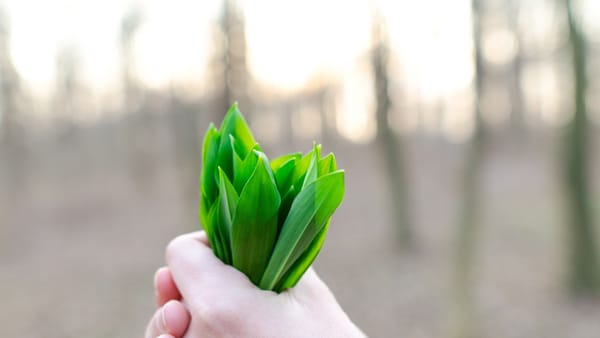
Which wild leaves are safe to eat, which poisonous lookalikes to avoid, and why leaves are a supplement to stored food rather than a replacement for it.
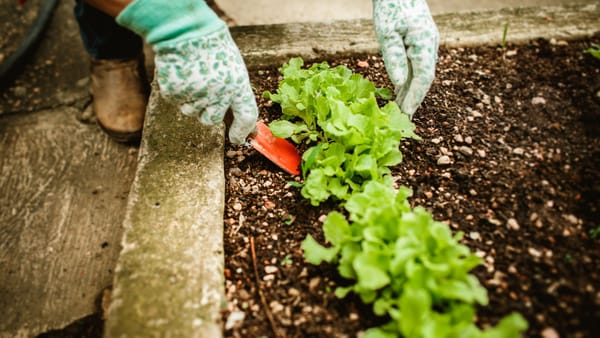
Why a garden outlasts any stockpile, and the calorie-dense crops to grow first so your food plan keeps going after the buckets run out.
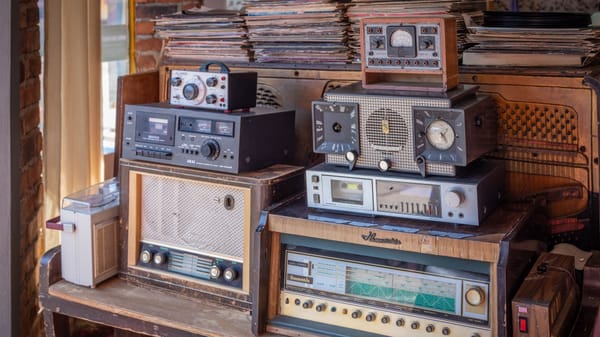
The NOAA Weather Radio channels to program before the grid goes down, plus the 3-3-3 rule that keeps your radio on the air without killing the battery.
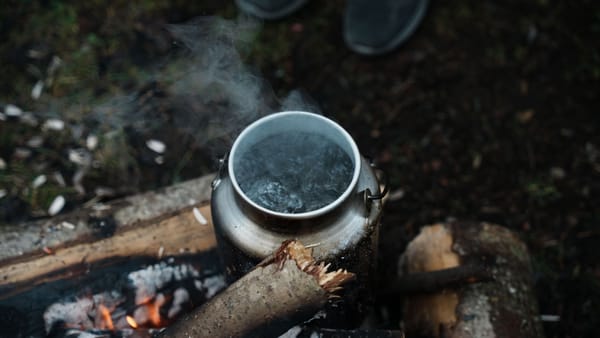
Boiling, bleach, and distillation are the three ways to make questionable water safe to drink, with the exact doses and times from EPA and Ready.gov guidance.

A bug out bag is a packed backpack you grab and go when you have to leave home in a hurry. Fire. Flood. A downed grid. An evacuation order. The bag is the bridge between "I have to leave now" and "I'm somewhere safe."
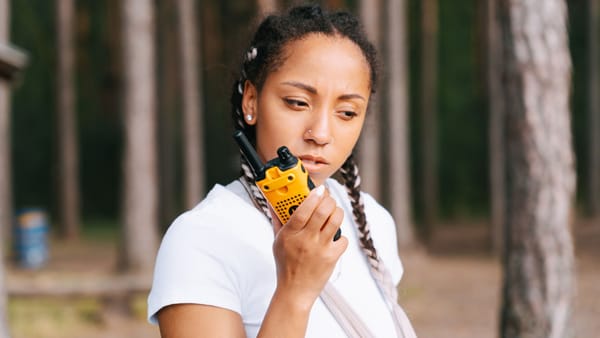
A plain-spoken guide to the radios that keep working when phones fail, from NOAA weather receivers to GMRS handhelds, and how to pick gear you will actually use.
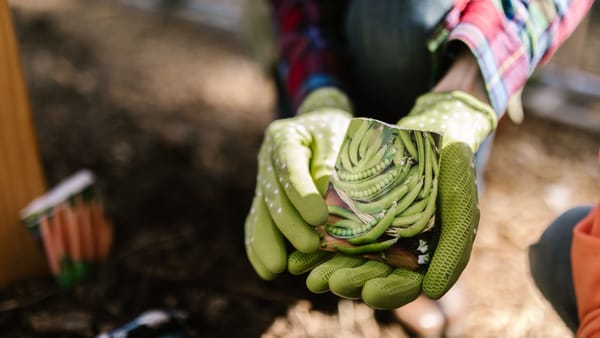
Stop buying seed packets every spring. Save seed from your strongest plants, dry it right, and store it cool and dark. Next year's garden replants itself for free, and each season it gets a little more adapted to your soil and your weather.
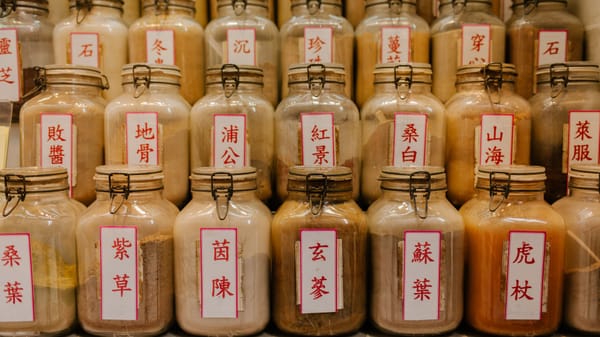
Seven common herbs can replace half your medicine cabinet. Echinacea for immunity, peppermint for digestion, chamomile for sleep. Grow them on a windowsill and dry what you don't use.
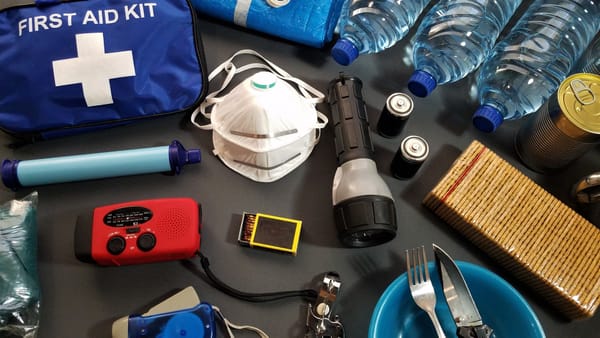
Assess the threats in your area before you buy gear. Food, water, and first aid come first, then a plan to bug in or bug out. Assume your neighbors won't stay neighborly when the lights stay off.

Knowledge costs nothing and weighs zero pounds. Take inventory of what you already own, set a monthly prepping budget like it's an insurance payment, and add one item at a time.
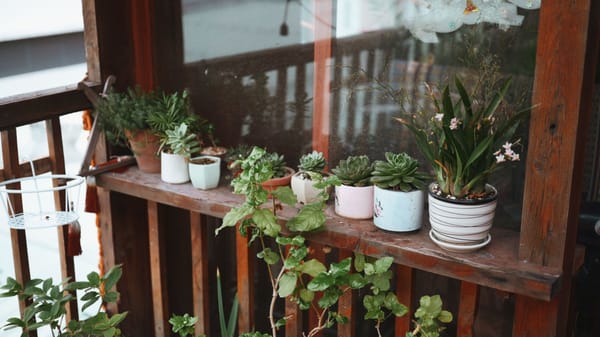
You can grow food on a balcony, a patio, or a windowsill. Good potting mix and the right container are all you need to get started. Even a few pots of greens beats zero fresh produce.
Food & Water
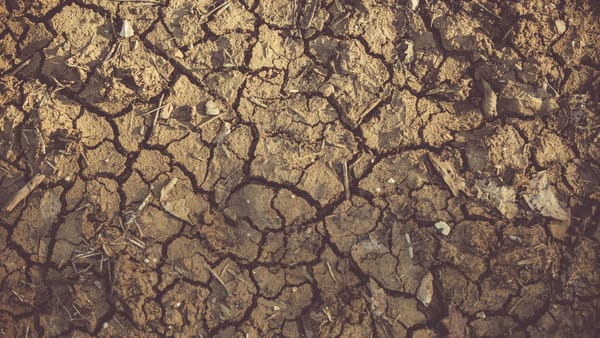
How shifting rainfall and warming trends affect food production, and the drought-adaptive gardening and water-saving steps homesteaders can take.
Food & Water
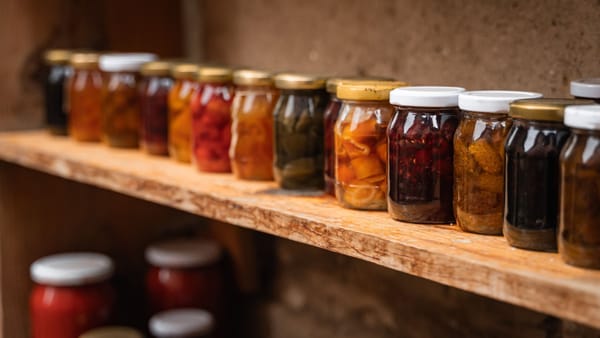
Eight food preservation methods beyond canning and dehydrating, including waxing cheese and making it from powdered milk, to keep your family fed.
Food & Water
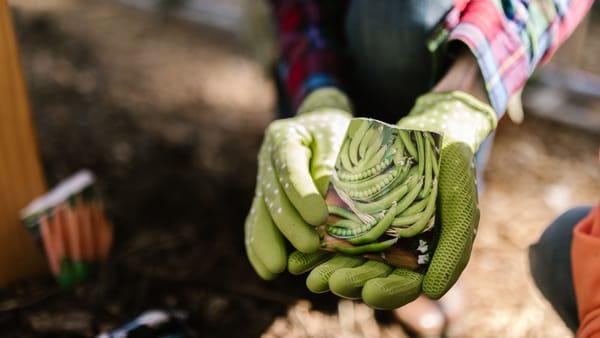
How to start a seed bank for long-term survival, the difference between heirloom, hybrid, and GMO seeds, and which ones actually reproduce year after year.
Food & Water
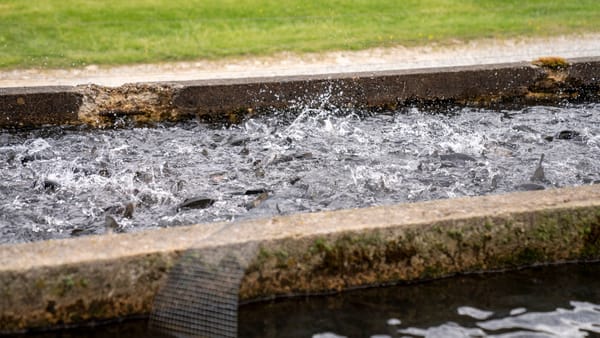
A beginner's guide to raising fish in your own backyard, from ponds and tanks to the supplies and common species you need to get started.
Food & Water
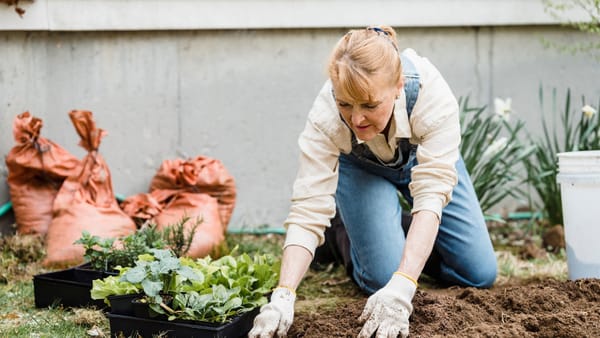
Eight elements of successful urban homesteading, from growing food in small spaces to alternative energy, for providing for your family on any size lot.
Food & Water
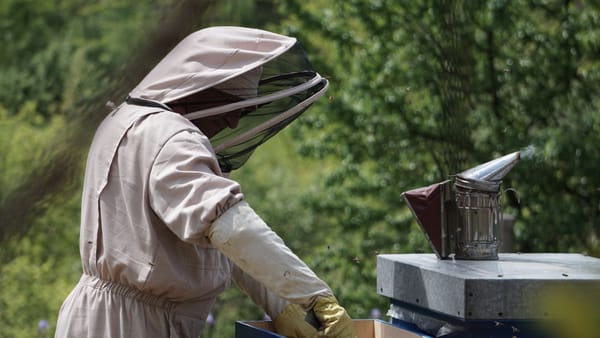
How to keep bees on a small city plot, including the legal and neighbor concerns, so you can produce honey and pollinate your garden in town.
Food & Water
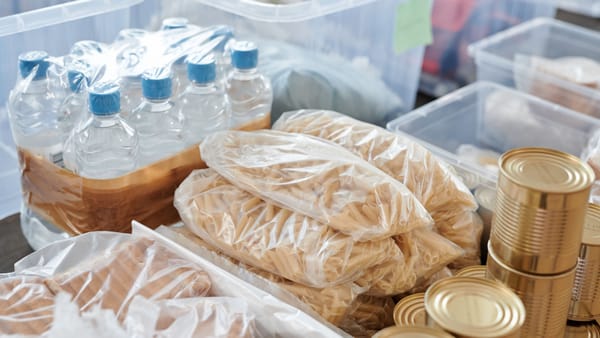
Start with a 30-day food supply, not a five-year bunker. Rice, beans, canned meat, and vegetables cover the basics cheap. Buy an extra can each grocery run and rotate what you store.
Food & Water
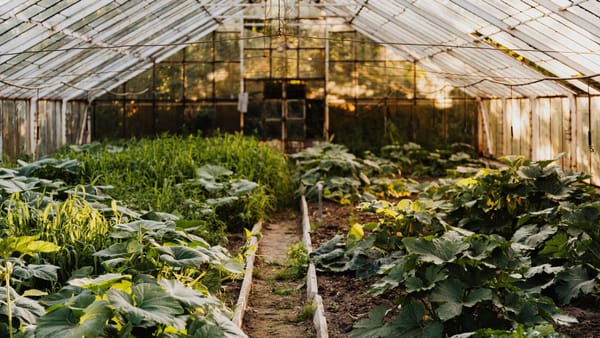
How to homestead on a small city lot or apartment balcony, scaling up food production with container gardens and community-supported agriculture.
Food & Water
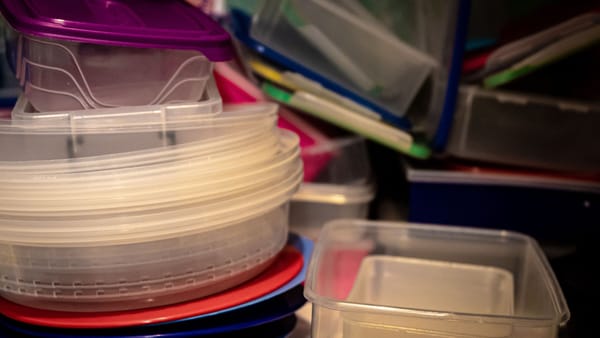
Whether plastics are safe for long-term food storage, and what to know about BPA and chemical leaching when you pack away food for the future.
Food & Water
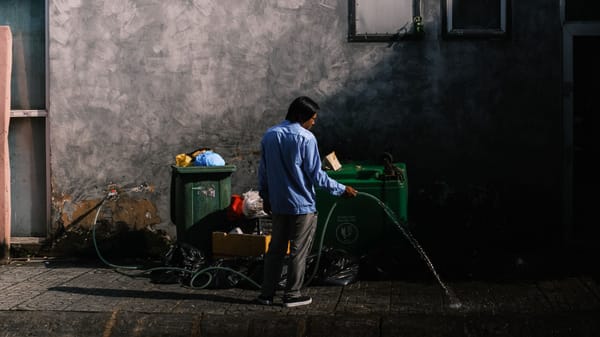
What gray water is, how reusing water from sinks and laundry can stretch your supply, and which household products make it unsafe for your garden.
Food & Water
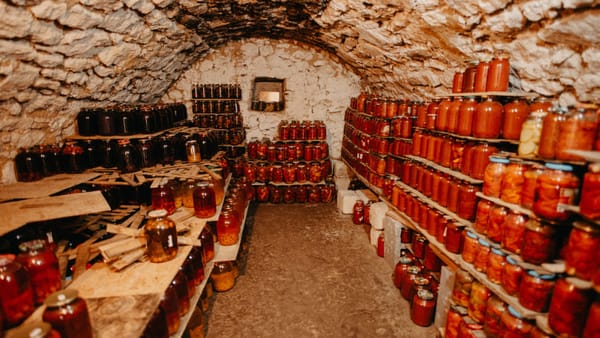
How to design and build your own root cellar so your garden harvest lasts through winter, covering size, temperature, drainage and the basics every cellar needs.
Food & Water
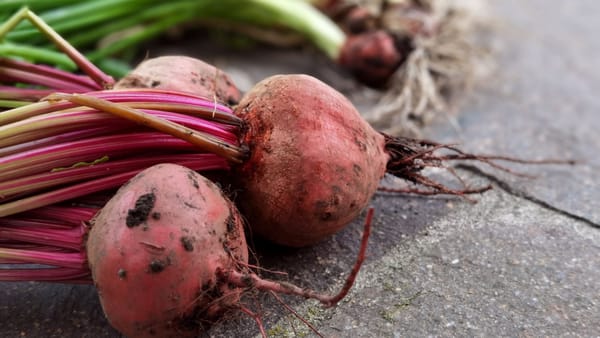
Which vegetables store naturally for months, from winter squash to onions and garlic, and how curing and proper handling extend their shelf life far beyond the average garden crop.