Emergency communication radio: what you need when grid fails
A plain-spoken guide to the radios that keep working when phones fail, from NOAA weather receivers to GMRS handhelds, and how to pick gear you will actually use.

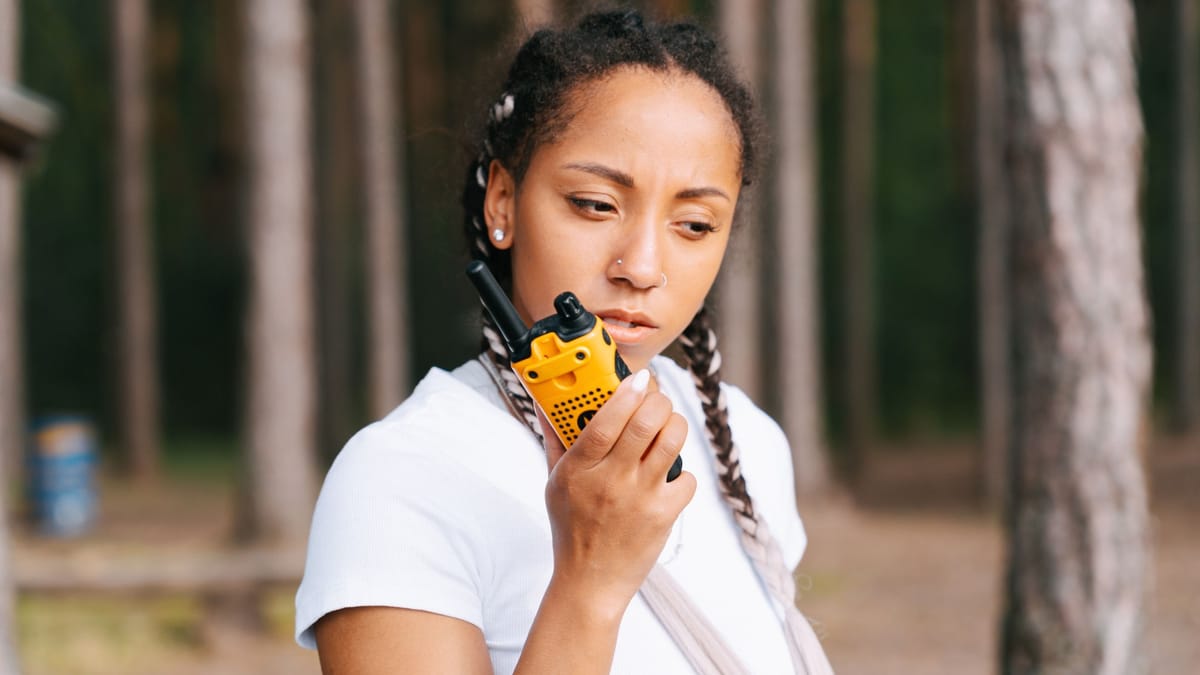
When the power goes out and the cell towers go down, a radio is how you find out what's actually happening and how you reach your people. Phones fail in exactly the emergencies where you need them most. A radio doesn't care about the grid. Here's what's worth owning, what each radio can and can't do, and how to set yourself up without throwing money at gear you'll never use.
Why your phone won't save you
A cell phone needs three things to work: power, a tower within range, and a network that isn't overloaded. A blackout kills the first one. A storm, wildfire, or flood can take out the towers themselves. And even when a tower is still standing, a crisis floods the network with calls and your text sits in a queue instead of going through.
A radio skips all of that. It talks directly to another radio, or it listens to a broadcast a station is already sending. No tower, no account, no monthly bill, no password. That's the whole appeal, and it's why a cheap radio is one of the better preps you can buy.
The radio types that keep working
Here are the main kinds, from the cheapest and simplest on up.
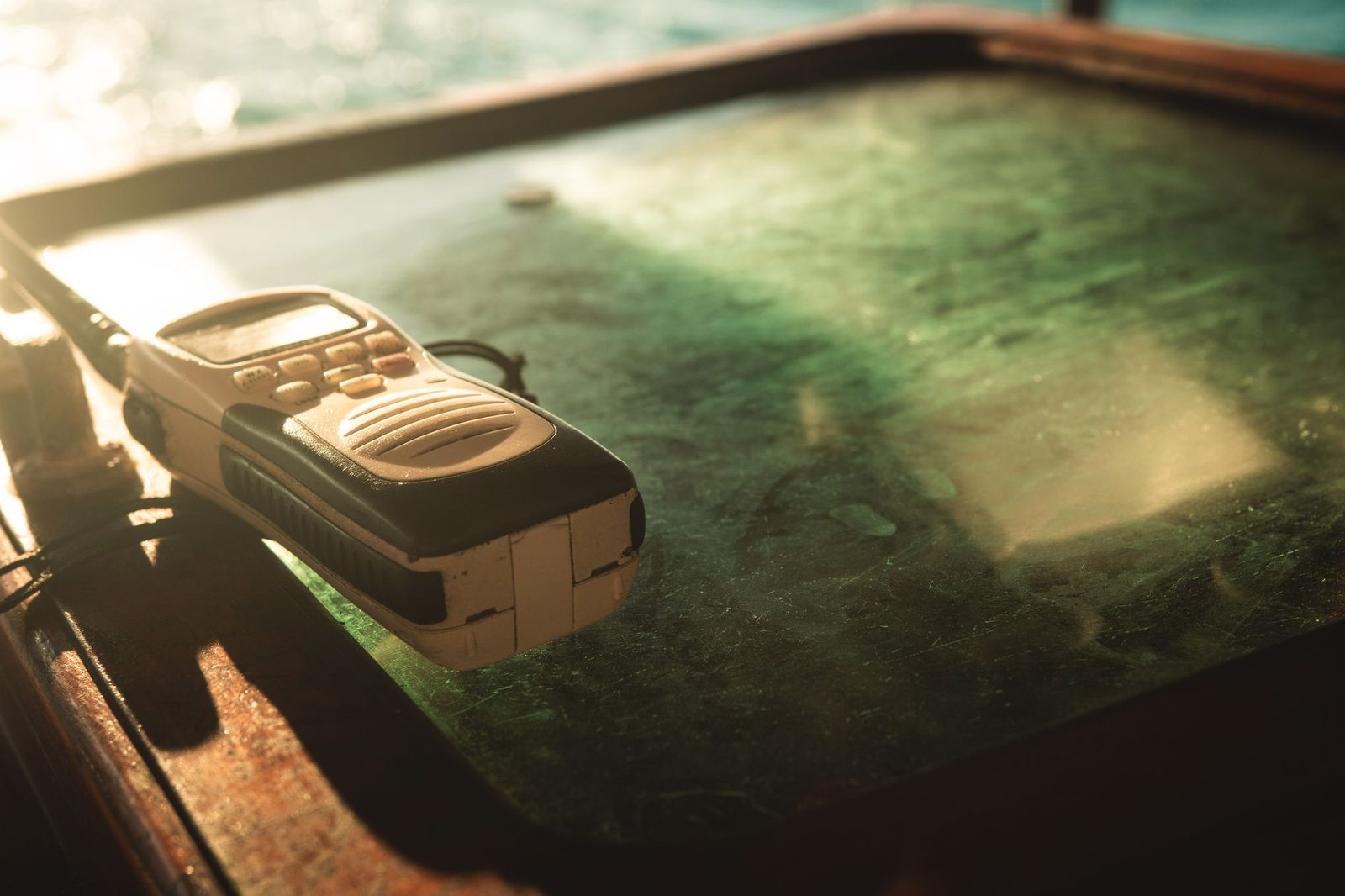
- NOAA weather radio: a dedicated receiver for the seven National Weather Service channels between 162.400 and 162.550 MHz. It broadcasts forecasts and warnings around the clock, and most models wake themselves up when an alert comes through. Every household should have one, whether or not they call themselves preppers.
- AM/FM radio: a plain broadcast radio that gets you news and emergency instructions from local stations. Batteries last a long time and the signal covers a wide area.
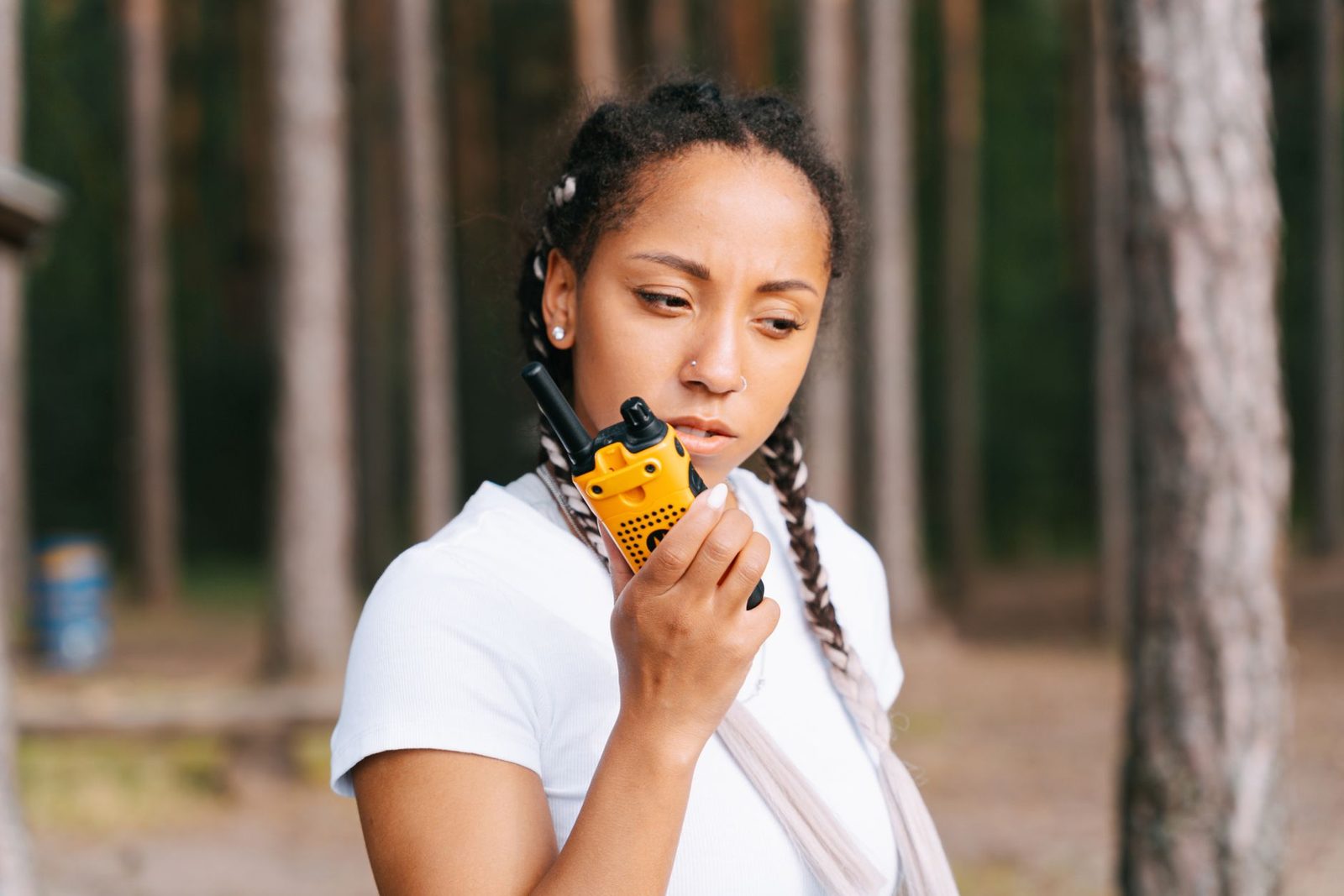
- FRS walkie-talkies: the blister-pack radios you see at the big box store. No license, cheap, and good for a mile or two in open country. Fine for keeping a family or a small group in touch around a campsite or a neighborhood.
- GMRS radios: a step up from FRS with more power and, through repeaters, much more range. You need an FCC license, but it's a flat fee with no test, and a single license covers your whole family. This is the sweet spot for most preppers.
- CB radio: the classic vehicle radio. No license needed, and channel 9 is the traditional emergency channel, though it isn't monitored the way it once was. Still common with truckers and off-roaders.
- Ham radio: the most capable option by far. A license unlocks bands that reach across the state, the country, or the world, plus a network of operators who train specifically for emergency traffic. It takes a test, and it's worth doing if you're serious about communications.
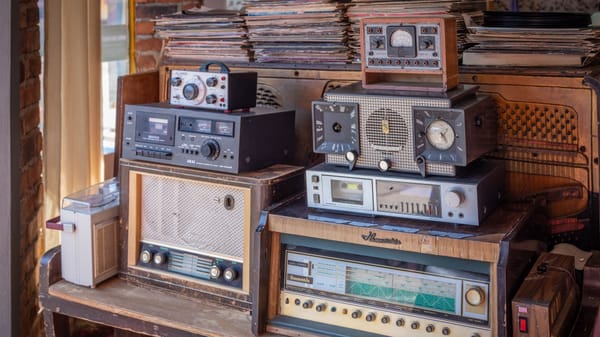
- Shortwave: a receive-only window on broadcasts from around the world. Useful when local stations are down and you want outside news.
How to choose
Start with two questions: who are you trying to reach, and how far away are they. The answers point you at one radio instead of a pile of them.
- Family nearby, same town: FRS or GMRS.
- Vehicle or group in the backcountry: CB or GMRS.
- Long distance, self-reliant, willing to learn: ham.
- Just want warnings and news: NOAA weather radio plus an AM/FM radio.
Don't overthink the brand. The features that matter are power source, range, and whether the people you care about own a matching radio. Two radios that can't talk to each other are just paperweights.
Why range is tricky
The range printed on the box is mostly a guess. VHF and UHF signals, which is what FRS, GMRS, and most ham handhelds use, travel in a straight line. If a hill, a building, or the curve of the earth is in the way, the signal stops there. That's why two radios reach each other fine across a flat field and go dead the moment one of you drops into a valley.
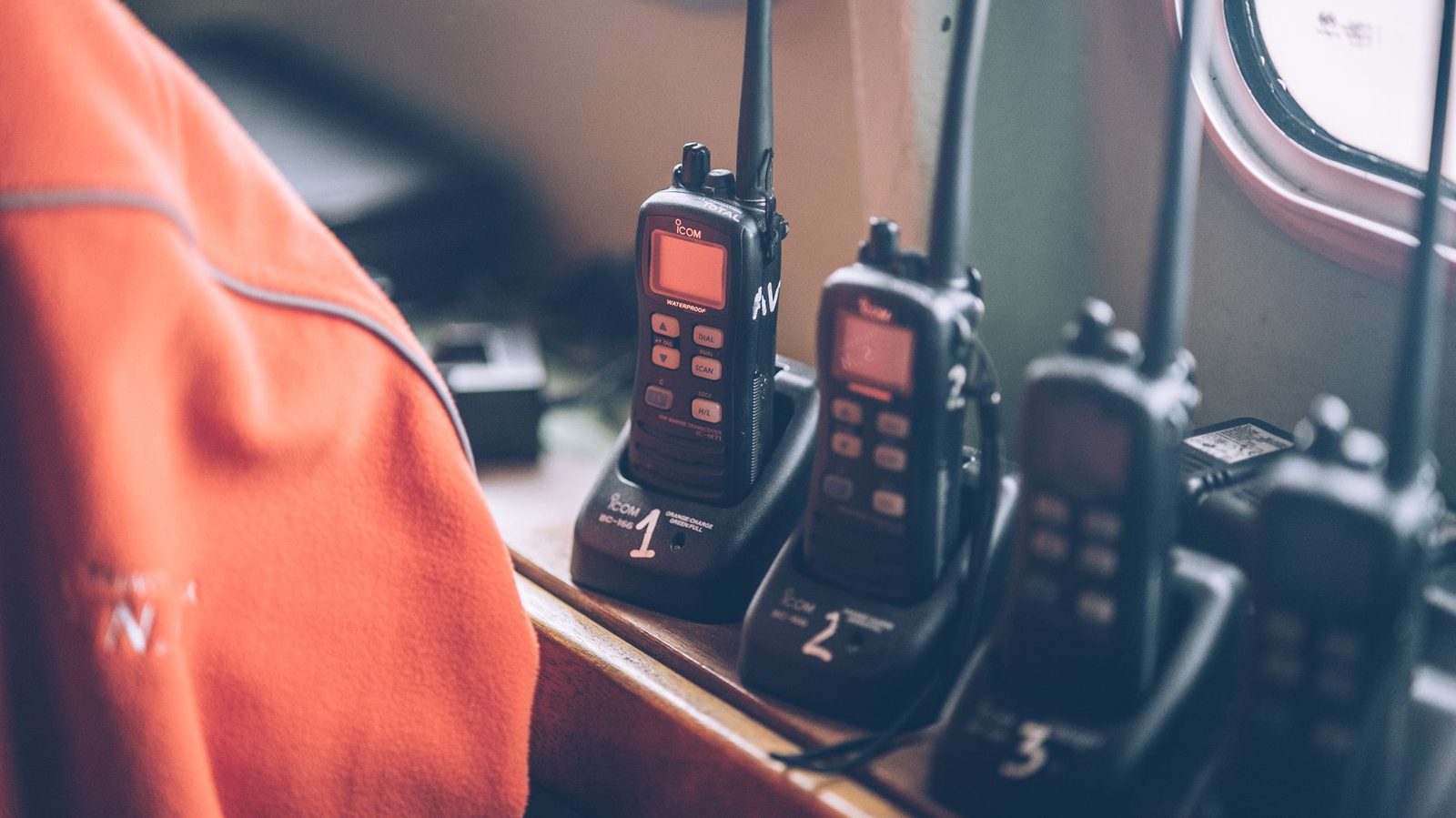
Power helps, but only up to a point. The bigger jump in range comes from a repeater: a station on a hilltop or a tall tower that hears your signal and rebroadcasts it from higher up. GMRS and ham both have repeaters. FRS doesn't, which is a big reason FRS tops out at a mile or two while GMRS can cover a whole town.
Before you buy, check whether there's a repeater near you for the service you're considering. A GMRS handheld with a local repeater will do more than a more expensive radio with no repeater in sight.
The setup worth having
For most people a good baseline is three pieces of gear.
- A NOAA weather radio with battery backup, left on all the time.
- A pair of GMRS handhelds for the family.
- A ham handheld or mobile unit, if you're willing to get licensed.
Program the frequencies your area actually uses before anything happens. Write down the local repeater frequencies, the NOAA channel for your region, and the emergency channels for whatever service you run. In the dark, with your hands shaking, you don't want to be paging through a manual.
Write these down on a card that stays with the radio:
- The NOAA channel for your county.
- Your local GMRS or ham repeater frequencies and tones.
- Your family's agreed channel and check-in time.
- A nearby AM or FM station that covers local emergencies.
Powering it all
A radio is only as good as its batteries. Pick units that run on AA or AAA batteries you can stockpile, or that charge over USB so a small solar panel can top them off. Hand-crank radios exist and they work, but cranking is slow and tedious. Treat the crank as a backup, not the main plan.
Keep spare batteries with the radio, not in a drawer on the other side of the house. Test everything once a season. A dead radio at the moment you need it is worse than no radio at all, because it gave you false confidence.
Practice before you need it
Radios don't work by magic. Turn them on, make a call, and have everyone in your household do the same. Agree on a channel and a check-in time, like every Sunday evening. That weekly routine is the difference between a tool you can use and a box that sits in the closet.
The short version
A radio is cheap insurance against the moment your phone stops working. Start with a NOAA weather radio so you can hear what's coming. Add GMRS handhelds so you can talk to your people. Get into ham when you want to reach further and join a wider network. None of it has to cost much, and all of it works when the grid doesn't.
Related: Emergency communications overview and emergency radio frequencies.