Emergency radio frequencies: what to monitor when grid fails
The NOAA Weather Radio channels to program before the grid goes down, plus the 3-3-3 rule that keeps your radio on the air without killing the battery.

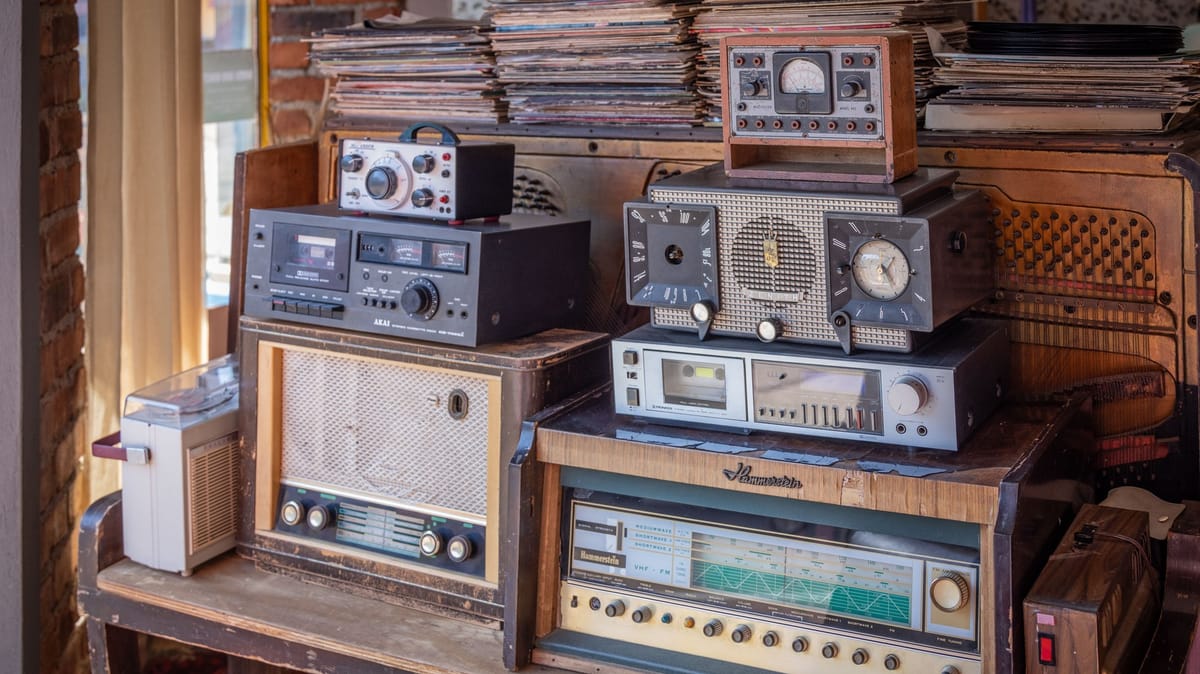
A radio is only useful if you know where to listen. When the power is out and the cell towers are down, the difference between hearing an evacuation order and missing it comes down to a handful of frequencies programmed into a radio you already own. Write this list down, program it in, and keep it next to the radio.
Start with NOAA Weather Radio
NOAA Weather Radio is on the air right now, around the clock, and you need no license to listen. It carries official watches and warnings, plus forecasts, and it runs on a cheap battery or hand crank radio.
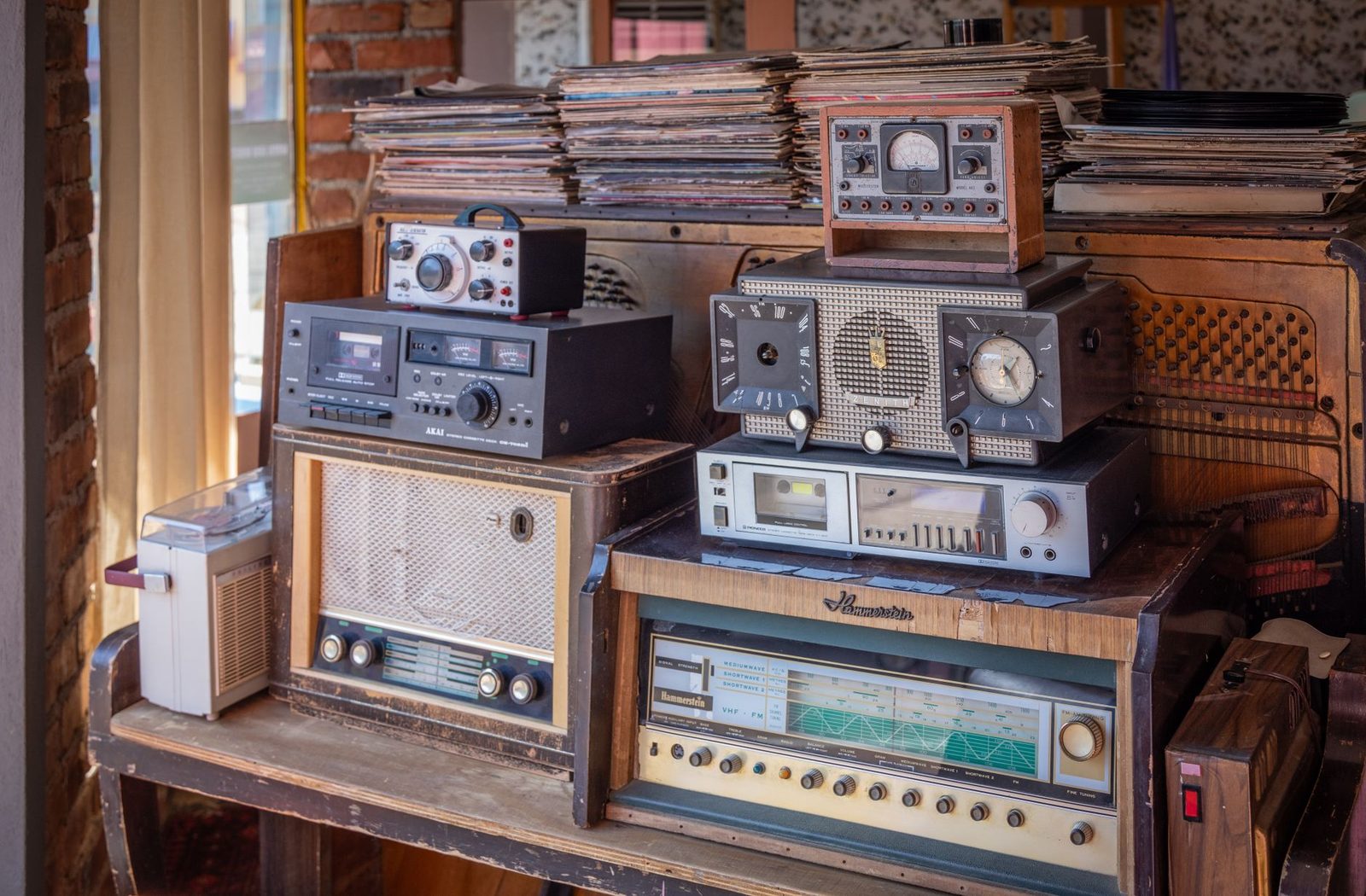
The seven channels sit between 162.400 and 162.550 MHz:
- 162.400 MHz
- 162.425 MHz
- 162.450 MHz
- 162.475 MHz
- 162.500 MHz
- 162.525 MHz
- 162.550 MHz
You do not need all seven. You need the one that covers your county. Most weather radios have a scan button that locks onto the strongest local signal in a few seconds. Write down the frequency it finds and store that channel first. If you want the full station list and the frequency for your area, the NOAA Weather Radio station listing has both, and the NOAA Weather Radio main page explains how the alerts and tone codes work.
The tone matters more than you might think. Most modern weather radios only break squelch when a SAME code matches your area. That is what lets you sleep through a warning for a county two hours away and still wake up for your own. Set the code for your county when you program the radio. It is a two-minute job that keeps the radio from crying wolf.
The 3-3-3 rule
Radios eat batteries, and no one listens to a dead radio. The 3-3-3 rule is a prepper convention for staying reachable without running the battery flat: every 3 hours, turn the radio on for 3 minutes and listen on your agreed channel. If your group agrees on the same window, you do not need to leave a radio on all day to catch each other.
It is a convention, not a law and not an FCC rule. Change the numbers to fit your situation. The schedule is the point, not the specific digits. Pick a channel, pick a window, write both down, and make sure everyone in the house knows them.
Ham radio: the bands worth knowing
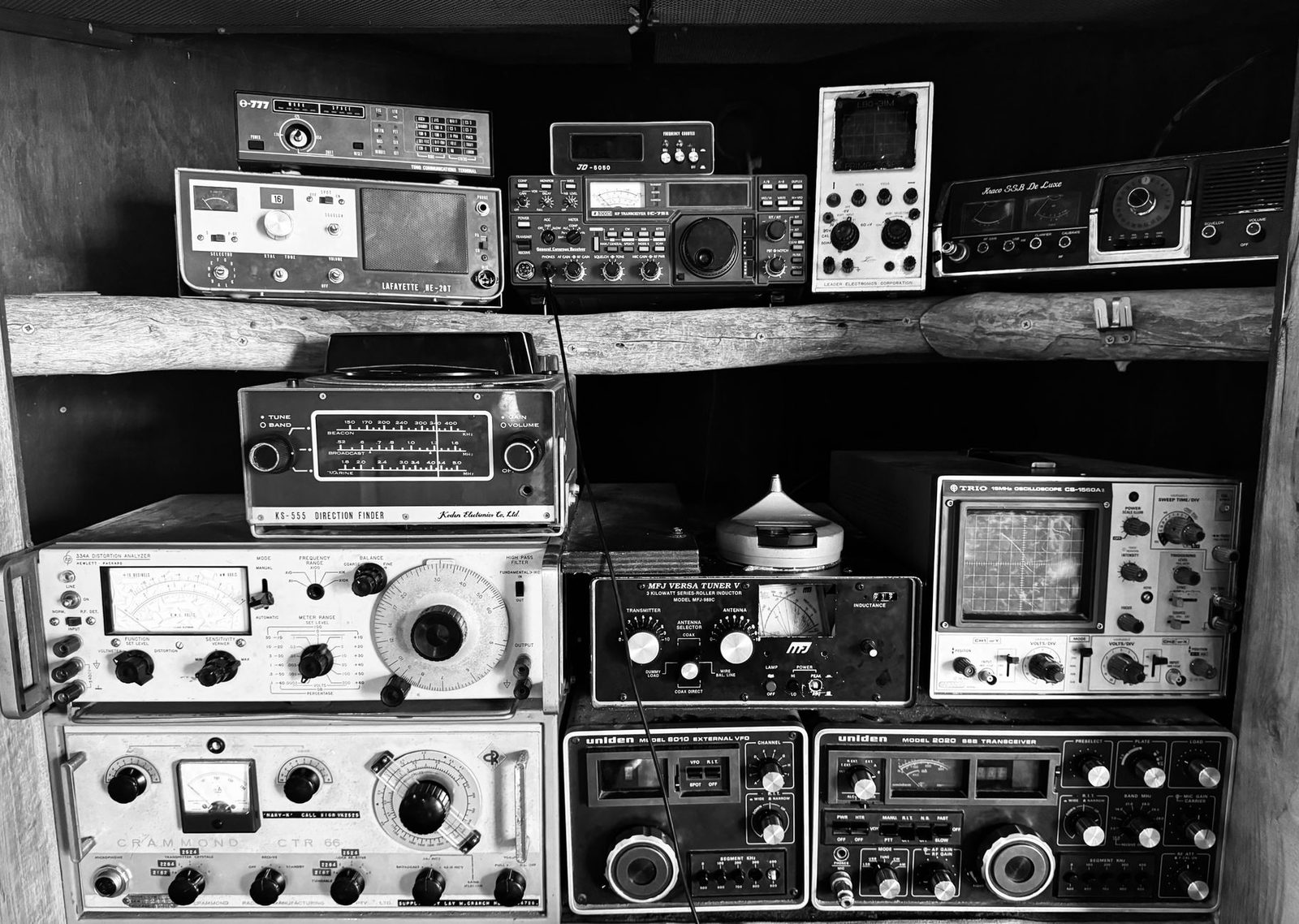
Ham radio does the heavy lifting for local emergency communication. It reaches further than the no-license options, and it has repeaters. To transmit you need a license, but you can listen with no license at all, and listening is where a prepper starts.
The two bands you will use most:
- 2 meters (144 to 148 MHz). The standard local band. 146.520 MHz is the national FM calling frequency, where people monitor and make first contact before moving to another channel.
- 70 centimeters (420 to 450 MHz). The other local band. 446.000 MHz is the national FM calling frequency here.
Program 146.520 and 446.000 into every radio you own. When everything else is down, these two frequencies are where other prepared people tend to be listening.
Repeaters are the other reason ham reaches so far. A repeater is a station on a hill or tower that hears you on one frequency and rebroadcasts your signal on another. That is how a five-watt handheld talks across a county instead of a few miles. Find the repeaters near you before the grid fails, write down their frequencies, and program them in.
For long distance, the HF bands below 30 MHz bounce off the ionosphere and reach hundreds or thousands of miles. That is a later step. Start local.
The entry license is the Technician class, and it no longer requires Morse code. The ARRL getting licensed guide walks through the whole process, and the ARRL band plan shows exactly which frequencies carry which modes, so you know where voice lives on each band.
GMRS, FRS, and CB: the no test options
Not everyone wants to sit for an exam. These are the alternatives.
GMRS runs on UHF channels around 462 and 467 MHz. It works well for family and neighborhood comms over a few miles, and further with repeaters. The license is a form and a fee: $35, no exam, good for ten years, and it covers your immediate family. You do not need a separate license for each person in the house.
FRS shares many of the same channels at lower power and needs no license at all. It is fine for short range around a property or campsite, and it is what most blister pack walkie talkies actually are.
CB is still around on 27 MHz and needs no license. Channel 9 is the emergency channel, and channel 19 is the highway channel truckers still monitor. For a vehicle kit, those two channels matter more than any feature on the box.
None of these talk to ham radios directly. They are separate services on separate bands. If you want to hear the most people in a real emergency, a radio that receives ham VHF/UHF plus NOAA gets you the widest net for the least money.
Beyond local: AM and shortwave
NOAA tells you about the weather and the warnings. It does not tell you where the shelter is, which roads are closed, or what the county is doing. For that you still want plain broadcast radio. Local AM and FM stations often stay on the air through a disaster running on generators, and the AM band carries further after dark. Keep a cheap battery radio in the kit for this even if it does nothing else. Shortwave, roughly 2 to 30 MHz, is for news from beyond your region and is its own hobby. Start with AM.
What to program in, in order
Take ten minutes with the radio and a piece of paper and enter these in this order:
- Your local NOAA Weather Radio frequency, with the SAME code set.
- 146.520 MHz, the 2 meter calling frequency.
- 446.000 MHz, the 70 centimeter calling frequency.
- Your family GMRS or FRS channel, the one you agreed on.
- CB channel 9 and channel 19, if the radio covers 27 MHz.
Then write the same list on an index card and tape it to the radio. Batteries die and radios get factory reset. The card is the backup when your memory is not.
Test it before you need it
Program the radio, then prove it works. Turn it on, tune your NOAA channel, and confirm you can hear the broadcast from inside your house. Do the same from your car and from wherever you plan to shelter. A radio that only works on the kitchen counter is a paperweight when you are in the basement.
Then run the schedule for a week. Set the 3 hour alarm, listen for 3 minutes, log it. You will find out fast whether the battery actually lasts, whether the antenna reaches from where you actually sit, and whether anyone else in the family remembers the plan.
Keep spare batteries for every radio, and store them outside the radio so a slow drain does not kill them in the drawer. A hand crank or solar radio on the shelf means the NOAA feed still works when the last set of AAs is gone.
The grid does not warn you before it fails. The frequencies above do not change, and they cost nothing to write down. Do it this week.