The complete bug out bag checklist: what to pack and weigh

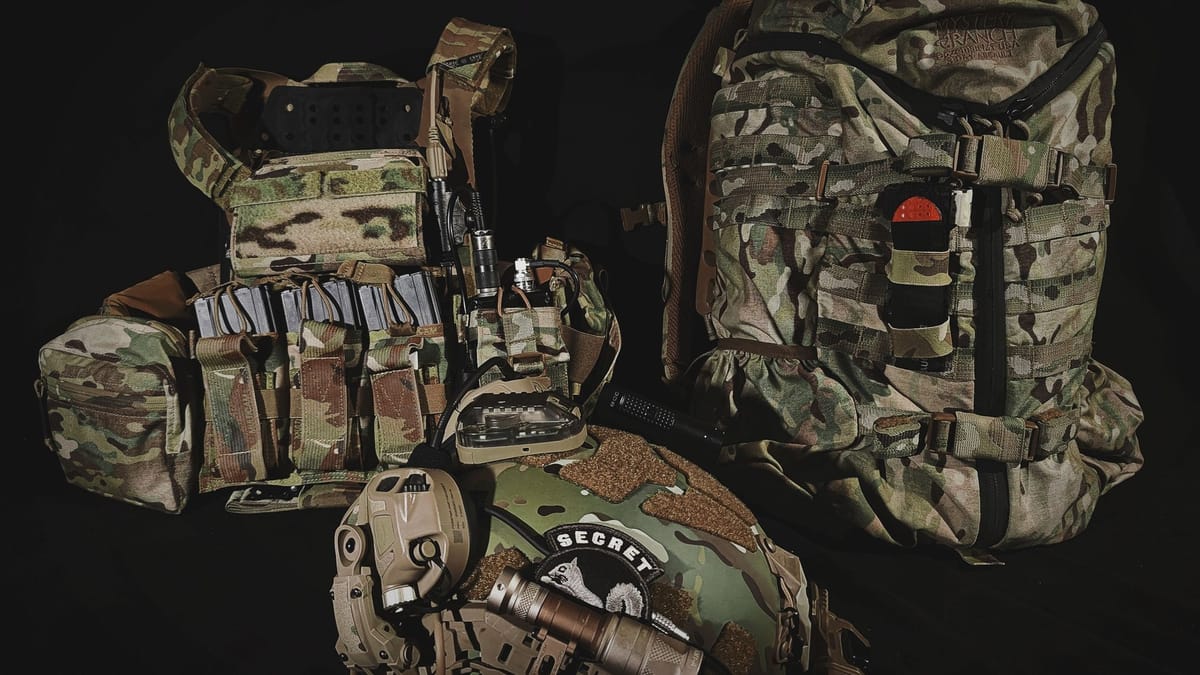
A bug out bag is a packed backpack you grab and go when you have to leave home in a hurry. Fire. Flood. A downed grid. An evacuation order. The bag is the bridge between "I have to leave now" and "I'm somewhere safe."
Most checklists dump a long list of gear at you and stop. This one works differently. It's organized by the order you actually need things, and it pays attention to weight. A bag you can't carry for ten miles is a bag that fails you.
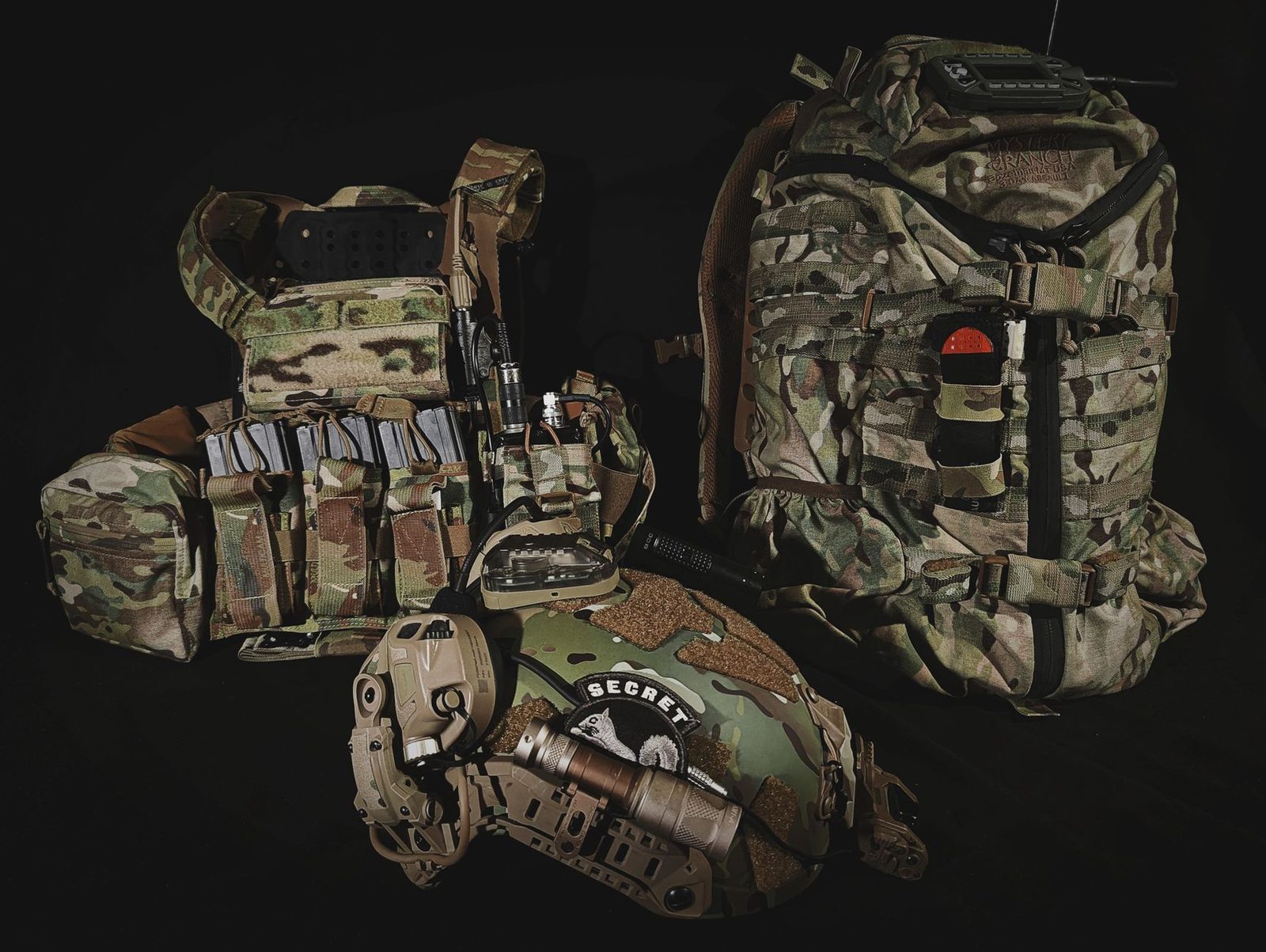
Start with the bag itself
The pack matters more than almost anything you put in it. You want a sturdy backpack in the 40 to 50 liter range. Bigger than that and you'll fill it until it's too heavy. Smaller and you have to leave essentials behind.
Look for:
- Frame and hip belt: a padded hip belt moves the weight off your shoulders and onto your hips, where you can carry it for hours.
- Weather resistance: a pack cover or a built-in rain cover keeps the whole load dry.
- Comfort: straps that dig in after twenty minutes will end your evacuation early. Wear it loaded before you trust it.
The bag itself should weigh under five pounds empty. Every pound of pack is a pound you're not spending on water or food.
The five layers of a working bag
Water
You can't go more than a few days without water, and you can't count on finding it clean. Ready.gov's build-a-kit guide recommends one gallon of water per person per day for drinking and sanitation. You cannot carry that on your back for long, so a bug out bag splits the job:
- Carry what you can: two to three liters of drinking water in durable bottles or a hydration bladder, enough to get you to a source.
- Treat what you find: a portable filter like a Sawyer Mini or LifeStraw, plus purification tablets as backup. One filter for drinking, tablets for everything else.
- Boil as a fallback: a steel canteen or small pot you can set over a fire or stove.
Food
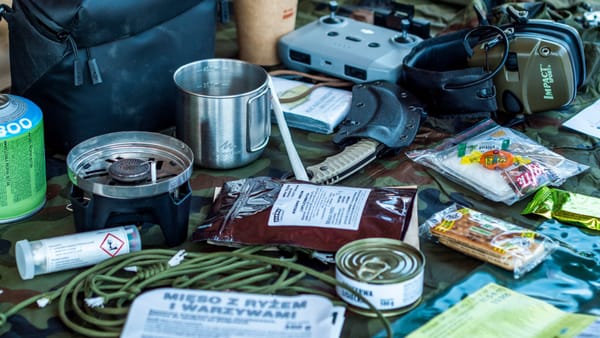
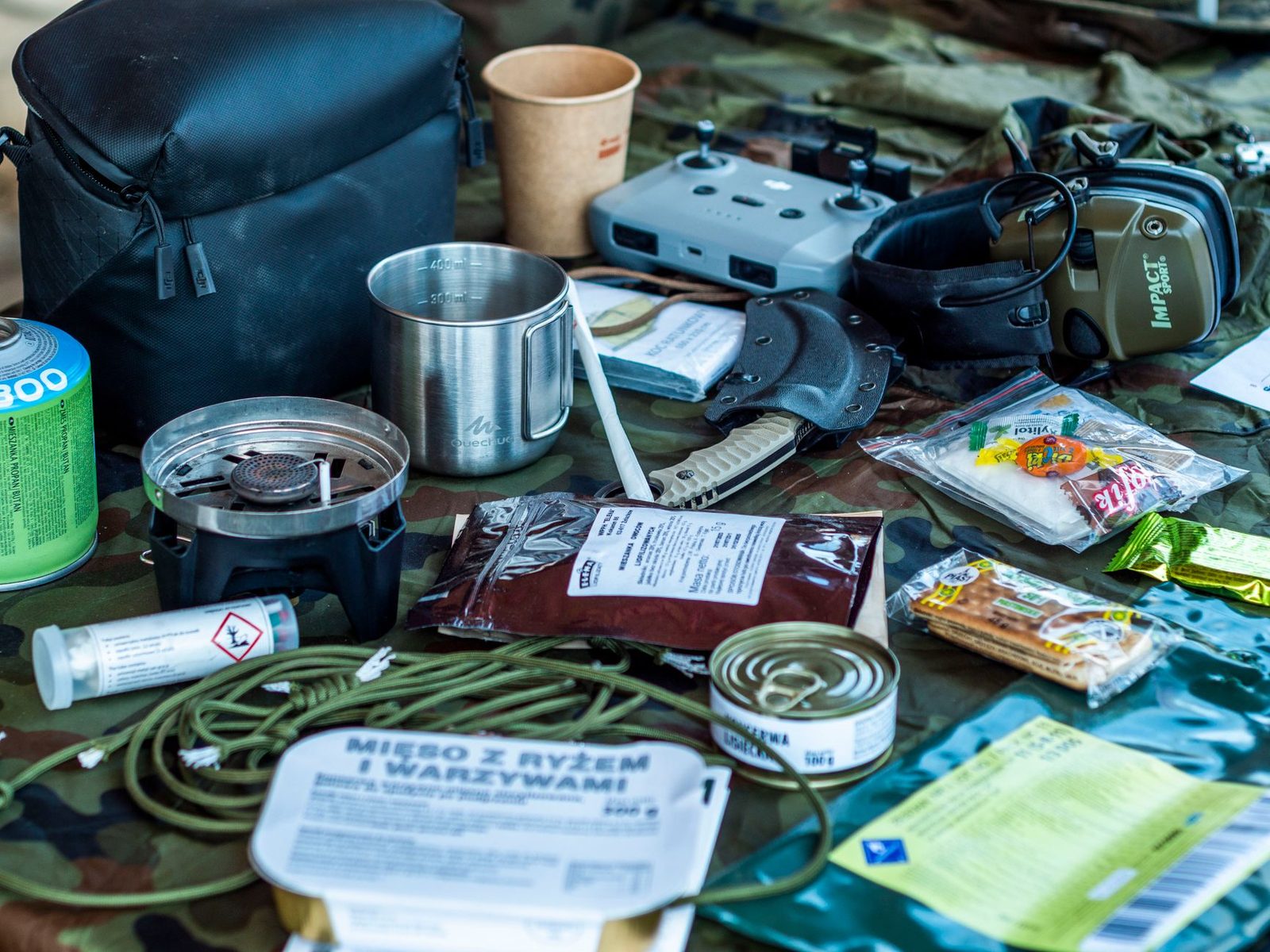
Plan for three days of calories you can eat without cooking, plus a way to cook when you can. No-cook food keeps you moving. Hot food keeps your morale up.
- No-cook calories: energy bars, nuts, jerky, trail mix, dried fruit. Aim for dense calories, roughly 2,000 to 2,500 per day.
- Hot meals: a few freeze-dried or dehydrated pouches that only need boiling water.
- To prepare them: a compact stove with fuel, or the steel pot from your water kit over a fire. A spork and a small can opener round it out.
Shelter and warmth
Exposure kills faster than hunger. Your shelter layer has to keep you dry and warm enough to sleep.
- Emergency shelter: a bivvy sack or two space blankets. A lightweight tarp and fifty feet of paracord give you a real roof.
- Sleep system: a sleeping bag or wool blanket rated for the coldest night in your region.
- Clothing: a rain poncho, an insulating layer, gloves, a knit cap, and at least two spare pairs of wool socks in a dry bag. Wet feet end trips.
- Shoes: broken-in boots you have actually walked miles in.
First aid and hygiene
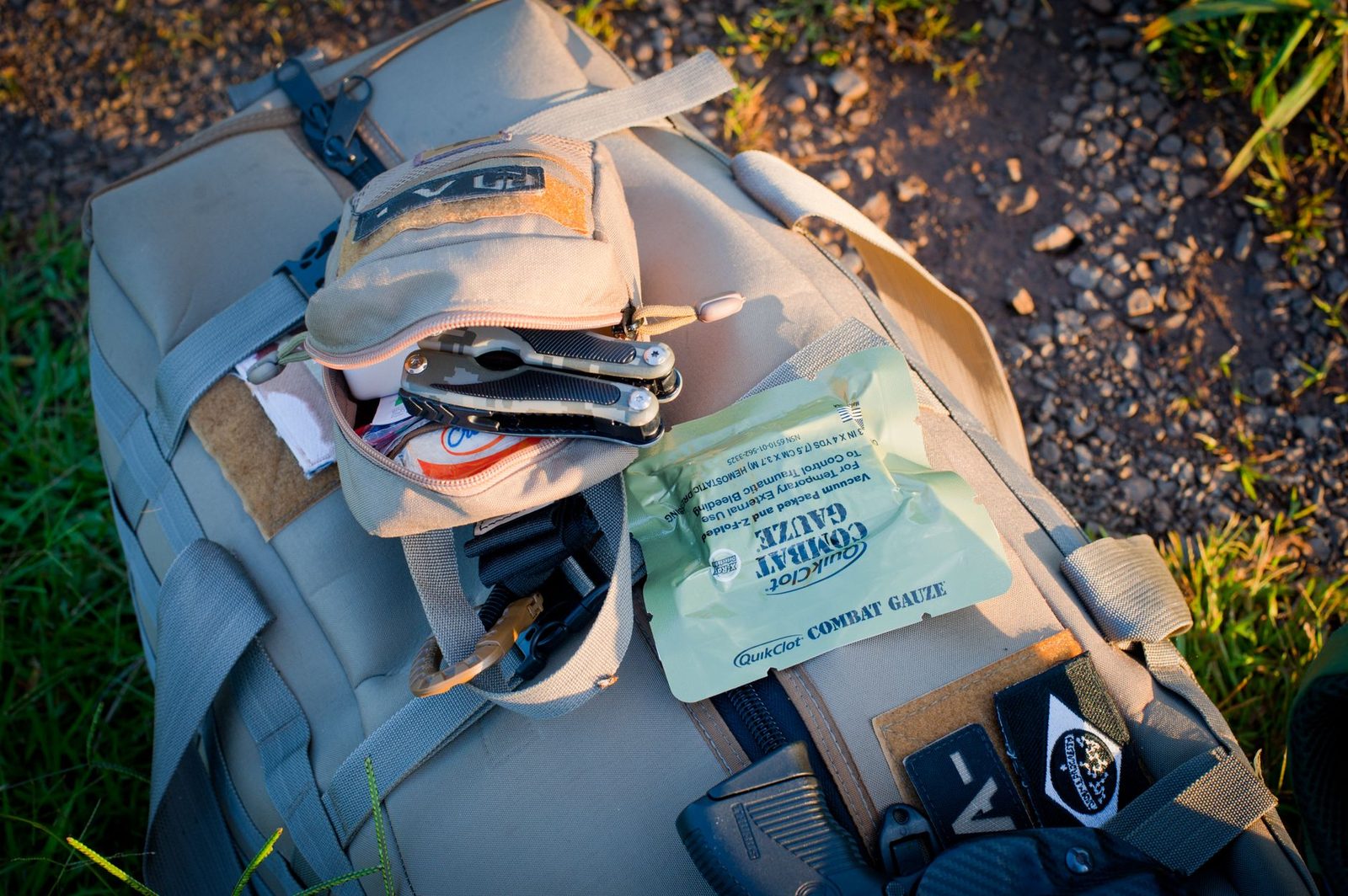
- A real first aid kit: bandages, gauze, antiseptic, pain relievers, and any daily prescription you take. The American Red Cross survival kit list is a good cross-check. Pack a two week supply of your medications and rotate it.
- Hygiene basics: toothbrush, small soap, a pack towel, and a way to wash your hands before you eat.
Tools, comms, and documents
- Multi-tool and fixed-blade knife: for repairs, food prep, and a hundred small jobs.
- Light: a headlamp with spare batteries and a backup glow stick. Hands-free light is worth its weight.
- Fire: a ferro rod, stormproof matches, and a butane lighter. Three ways, because one will fail.
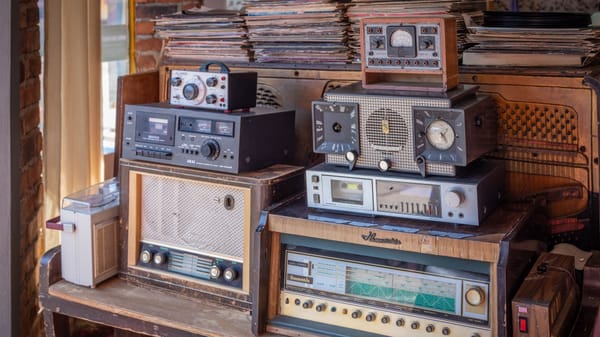
- Comms: a hand-crank or solar NOAA weather radio to hear alerts, plus a charged power bank and cables for your phone. Look up your local NOAA Weather Radio station before you need it.
- Navigation: a paper map of your region and a compass. A preloaded GPS is nice, but batteries die.
- Documents: a waterproof pouch with copies of IDs, insurance, deeds, and a couple hundred dollars in small bills.
How much should it weigh?
The single best test of a bug out bag is whether you can actually carry it. A common rule of thumb among backpackers is to keep a loaded pack under 20 percent of your body weight. For most adults that lands between 25 and 35 pounds. Heavier than that and you move slower, tire faster, and get hurt easier.
Weigh the bag, then weigh each layer. If you're over budget, cut the extras before you cut water and first aid. The order to trim is duplicate tools, then spare clothing, then comfort items.
Test it before you need it
A bag you have never walked with is a bag you're gambling on.
- Walk test: load it fully and walk three to five miles in your boots. Note what digs in, what bounces, and what you forgot to access.
- Overnight test: spend one night using only what is in the bag. You will find the gaps fast.
- Rotate: swap food, batteries, and medications on a schedule so nothing is expired when you grab it.
- Seasonal swap: a summer bag and a winter bag are not the same bag. Swap insulation and clothing when the seasons turn.
What most people forget
The gear list is the easy part. These are the items that get left behind and matter most:
- Daily medications and glasses: if you need them every day, they belong in the bag, not the medicine cabinet.
- Cash in small bills: cards and phones stop working when the power is out.
- Charging cables and a power bank: a dead phone is a map, a light, and a radio you can't use.
- Kid and pet items: diapers, formula, a leash, and food for anyone who can't pack for themselves.
- Copies of documents: proving who you are and what you own matters after the emergency, too.
Keep one in the car
Your bug out bag at home doesn't help if the emergency catches you away from it. A smaller bag in the car, stocked with a day of food and water, a change of clothes, and a way to signal, covers that gap. Ready.gov's car kit page has a checklist worth copying.
Related: 72-hour bug out bag, office bug out bag, car bug out bag, kids bug out bag, pocket bug out supplies, and bug-out mistakes to avoid.