Can you eat leaves to survive? A guide to safe wild edibles
Which wild leaves are safe to eat, which poisonous lookalikes to avoid, and why leaves are a supplement to stored food rather than a replacement for it.

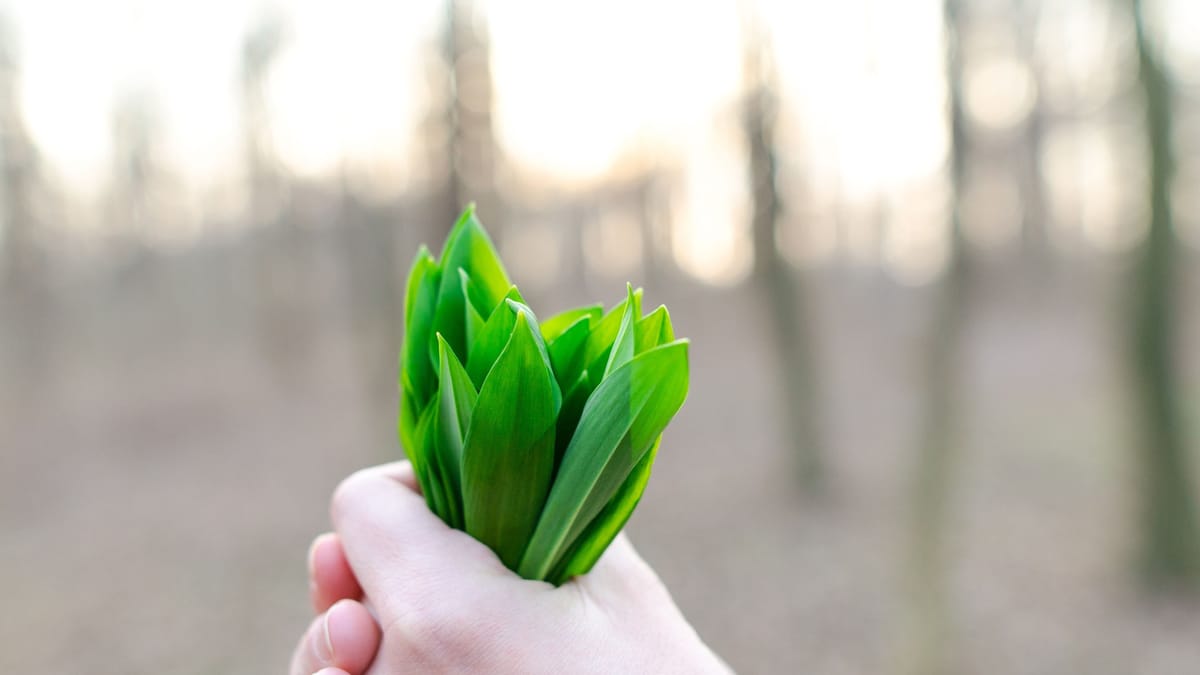
The honest answer is yes, with a heavy asterisk. A small number of common wild leaves are safe to eat and genuinely nutritious. Most are not food, and a few look almost identical to the safe ones but will kill you. In a survival situation, leaves can stretch what you have, but they can't replace real calories, and guessing wrong is a fast way to make a bad day fatal.
The short answer
You can survive for a while eating certain wild leaves, but only the ones you can identify with certainty. The rule that keeps people alive is simple: if you can't positively identify a plant, don't eat it. A leaf that merely looks like dandelion could be poison hemlock. Close is not good enough.
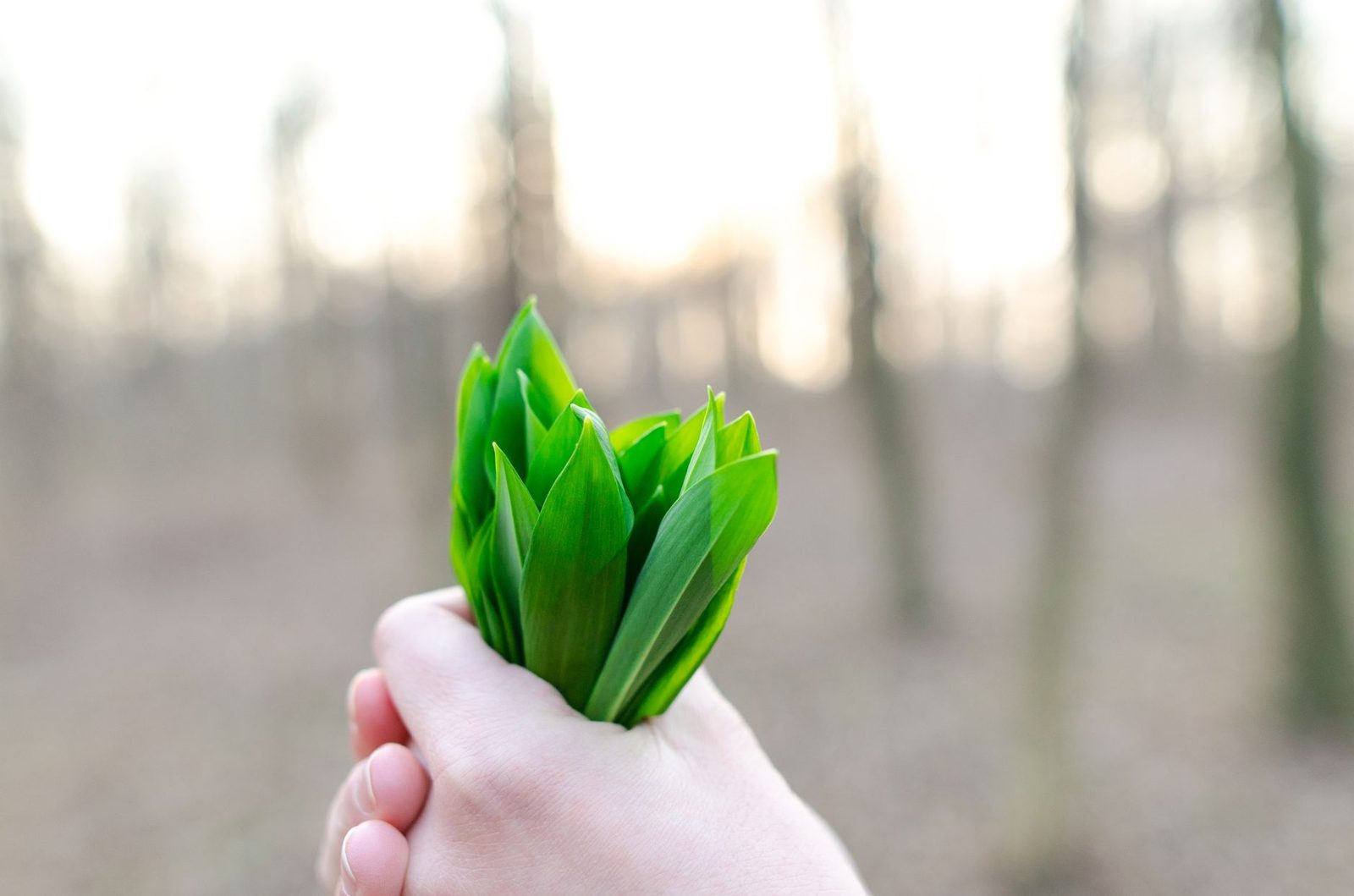
Leaves also don't give you much energy. Most are water, fiber, and a handful of vitamins. You can fill your stomach with them and still be starving. That's why leaves are a supplement to stored food, not a replacement for it.
Common wild leaves you can actually eat
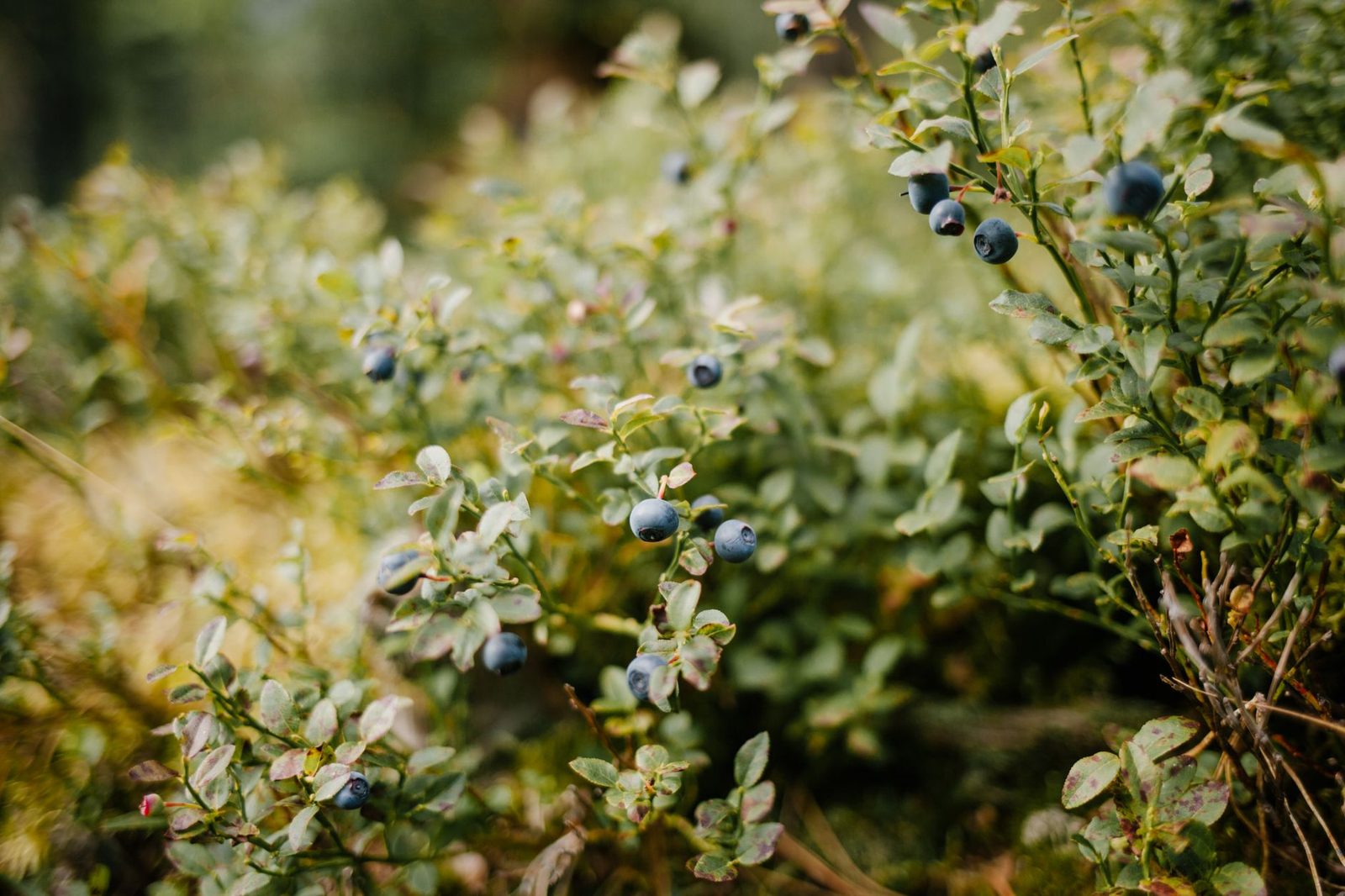
These are the beginner-friendly plants worth learning first. Every one of them has a distinctive feature that lets you confirm it before you pick.
- Dandelion. The whole plant is edible. Young leaves are the mildest; older ones turn bitter. Look for the single flower per hollow stem and the tooth-edged leaves that grow in a flat rosette.
- Plantain. Not the banana. Broad or narrow ribbed leaves grow in a low rosette and are best eaten young. The parallel veins running the length of the leaf are the giveaway.
- Chickweed. A sprawling plant with tiny white star-shaped flowers and a single line of fine hairs down one side of the stem. Mild and soft, it is one of the easier safe greens to learn.
- Lamb's quarters. A common garden weed with leaves that look dusted with white powder on the underside. Cook it rather than eating it raw, since it's high in oxalates.
- Wood sorrel. Small clover-like leaves with a sharp, lemony tang. Eat it in small amounts only, because that tang comes from oxalic acid.
- White clover. Edible in moderation. Raw clover can cause gas and bloating, so cook it if you plan to eat much of it.
- Cattail. Young shoots and the starchy rootstock are the useful parts. Only harvest from clean water, because cattails absorb whatever is in the water around them.
The lookalikes that kill
This is why foragers repeat the identification rule like a prayer. The dangerous plants don't announce themselves.
- Poison hemlock. Looks like wild carrot or parsley at a glance, with lacy leaves and a smooth stem with purple blotches. A small amount is lethal. This is the plant that killed Socrates.
- Water hemlock. Often called the most violently toxic plant in North America. It grows in wet soil and looks unremarkable, which makes it worse.
- Foxglove. Pretty purple flowers, but every part contains compounds that stop the heart. It's a garden plant that escapes into the wild, so it shows up in unexpected places.
- Pokeweed. Young shoots are eaten by some people after careful, repeated boiling, but the raw plant and the berries are toxic. If you're not certain of the preparation, leave it alone.
- Deadly nightshade. The berries are the famous danger, but the leaves are toxic too. The name isn't an exaggeration.
The pattern is simple. Carrot-family plants with ferny leaves, and any plant with milky sap, glossy berries, or an almond smell, deserve extra suspicion until you know exactly what they are.
The universal edibility test
Survival manuals describe a staged test for an unknown plant: rub a small piece on your skin and wait, then on your lips and wait, then chew a tiny amount and wait, increasing only if nothing bad happens. It's a last-resort tool, not a shortcut.
The test has real limits. It can't detect long-term damage, it doesn't work on mushrooms, and it's useless if you're already dehydrated or in a hurry. It's meant for a person with no other options and time to spare, not for someone with a backpack full of food who's curious about a mystery leaf.
Rules that keep you alive
- Positively identify every plant before you eat it. Match at least three features, not just the leaf shape.
- When in doubt, don't eat it. There's no such thing as a plant you're mostly sure about.
- Avoid roadsides and sprayed areas, which soak up exhaust and herbicide.
- Cook unknown greens when you can. Heat breaks down some irritants.
- Learn the poisonous plants first. Knowing the deadly ones is more valuable than knowing the tasty ones.
- Never eat wild mushrooms unless an expert identifies them. Mushrooms are not leaves and the stakes are higher.
Leaves alone will not keep you alive
This is the part survival shows get wrong. A handful of greens has almost no calories, and you can't live on vitamins. Your body needs fat, protein, and carbohydrates, and leaves deliver very little of any of them. In a real emergency, wild greens are a side dish to your stored food, not the meal.
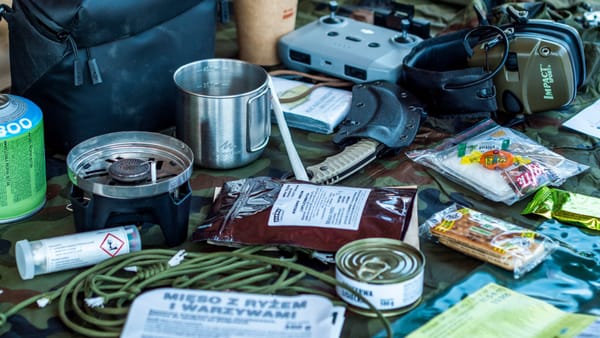
That's also why a stocked pantry beats a field guide in an emergency. Foraging is a backup skill, not a plan.
A better plan than eating random leaves
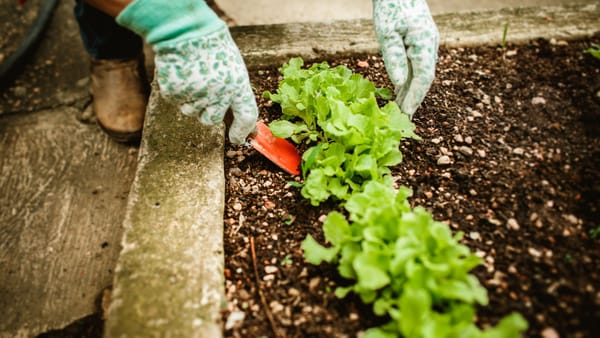
Learn a few plants well before you ever need them. Start with the seven safe ones above, walk your own neighborhood with a field guide, and practice identifying them in every season. Then learn the toxic ones, especially poison hemlock and water hemlock, until you can spot them without hesitating.
For authoritative identification, cross-check against the USDA PLANTS database, and if anyone eats something uncertain, call Poison Control immediately rather than waiting to see what happens. The USDA Forest Service also publishes guidance on harvesting wild plants responsibly. The skill that matters isn't eating leaves. It's knowing the difference between the ones that feed you and the ones that end you.