Plant prepping: how to grow food before you need it
Why a garden outlasts any stockpile, and the calorie-dense crops to grow first so your food plan keeps going after the buckets run out.

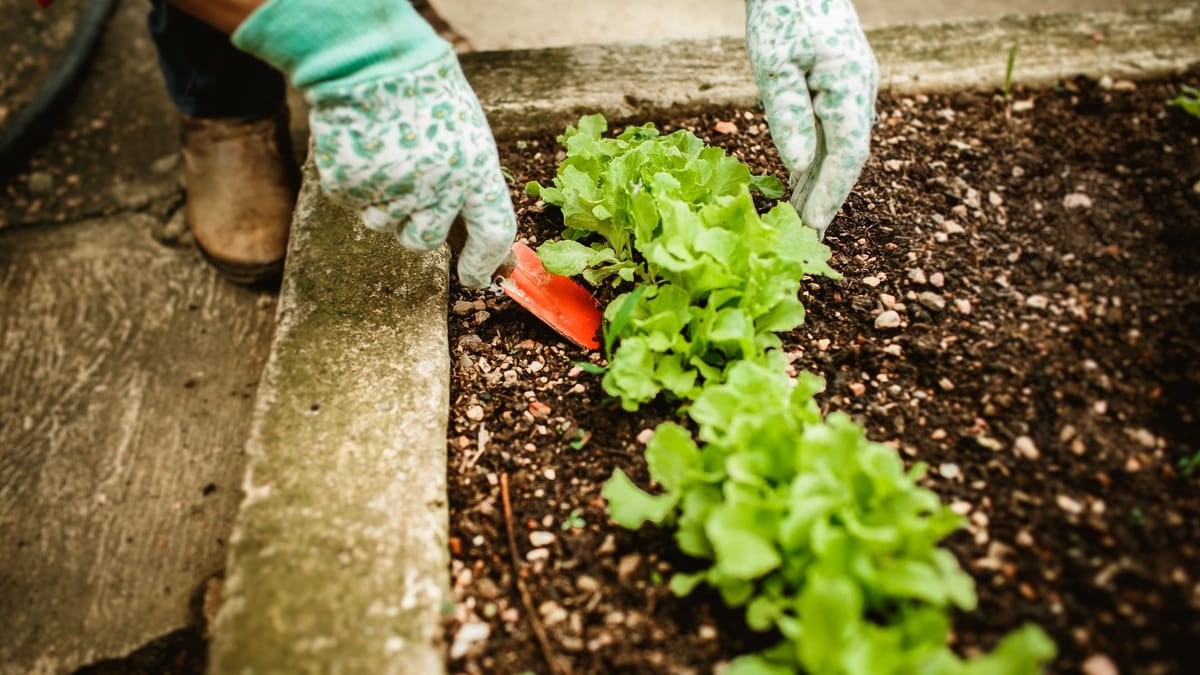
Plant prepping means growing at least some of your own food so your meals don't depend entirely on the store. Stored food is a buffer. A garden is a supply that renews itself every season. The catch is that you can't start one the day the power goes out. A productive garden takes a season or two of practice to get right, so the time to start is now, while mistakes are cheap and the stakes are low.
Why growing beats storing
Stored food runs out. Even a deep pantry only buys you so many weeks, and once it's empty it's empty. A garden is different: one seed packet can turn into more food than you started with, and saving seed means next year's crop is already paid for. FEMA's food guidance is built around stockpiling for short-term outages. A garden is the part of your food plan that keeps going after the buckets are gone.
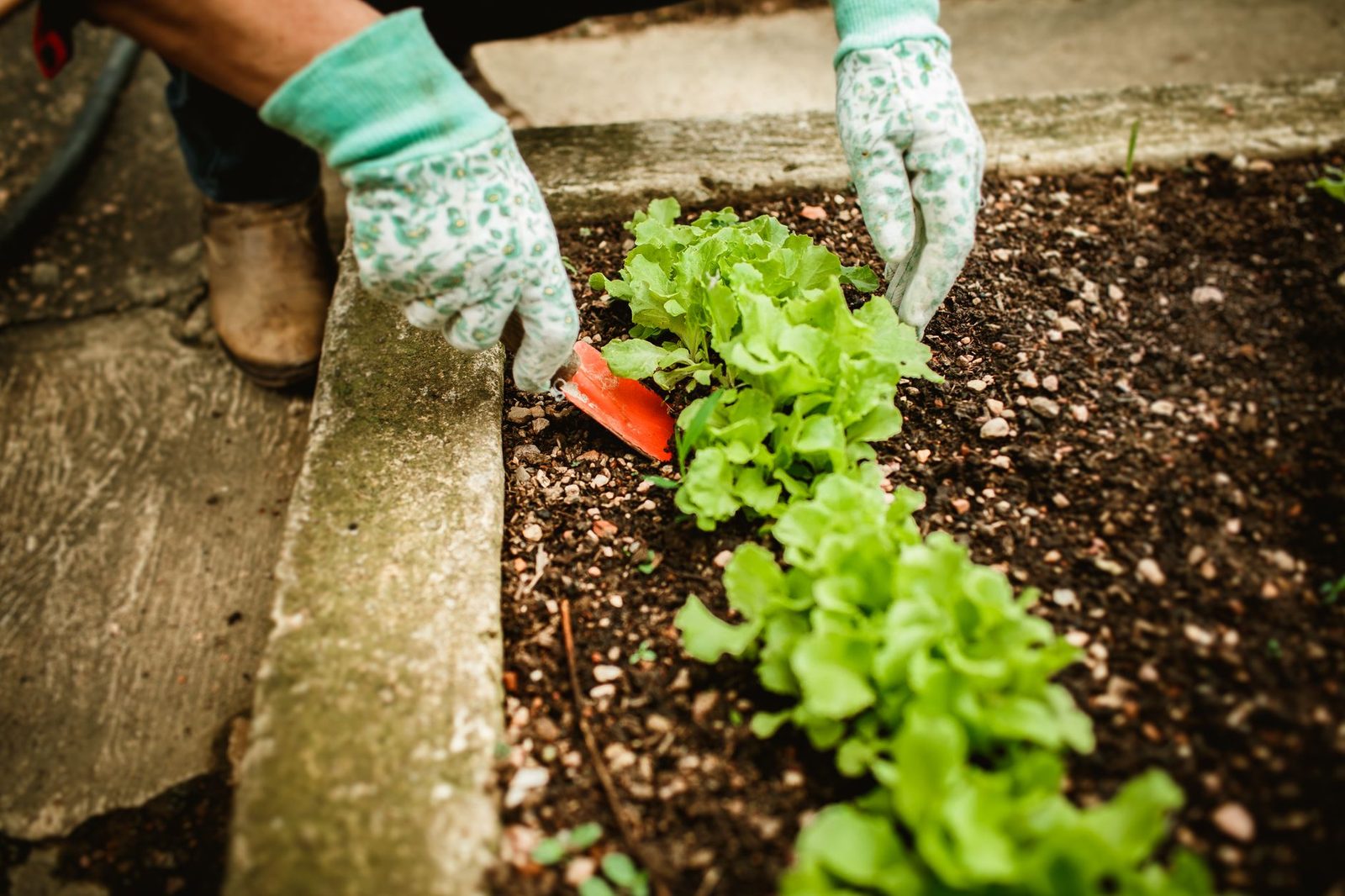
There's also the nutrition angle. Fresh food carries vitamins that fade in long-term storage. Canned and freeze-dried food will keep you alive, but a steady supply of fresh greens and tomatoes does more for you than another bucket of rice.
Most important, growing is a skill, and skills compound. Your first garden will be half weeds and half mistakes. Your third one will feed you. The prep isn't the vegetables. It's the knowledge of how to make them happen.
What to grow first
Start with crops that pull their weight. Calorie-dense staples beat pretty lettuces when you're thinking about feeding yourself.
- Potatoes: real calories, easy to grow, and they store for months in a cool dark spot.
- Dried beans: protein that dries right on the vine and keeps for years in a jar.
- Winter squash: cures in the field and stores for months on a shelf, no canning needed.
- Tomatoes: forgiving, heavy producers, and they can, freeze, and dry well.
- Leafy greens: fast, so you get a win early, and they grow in containers.
- Garlic and onions: cheap to plant, easy to grow, and they store without much fuss.
The rule is simple: grow what you actually eat. A bed of kale you won't touch is a waste of space, no matter how healthy it is.
Know your zone and your frost dates
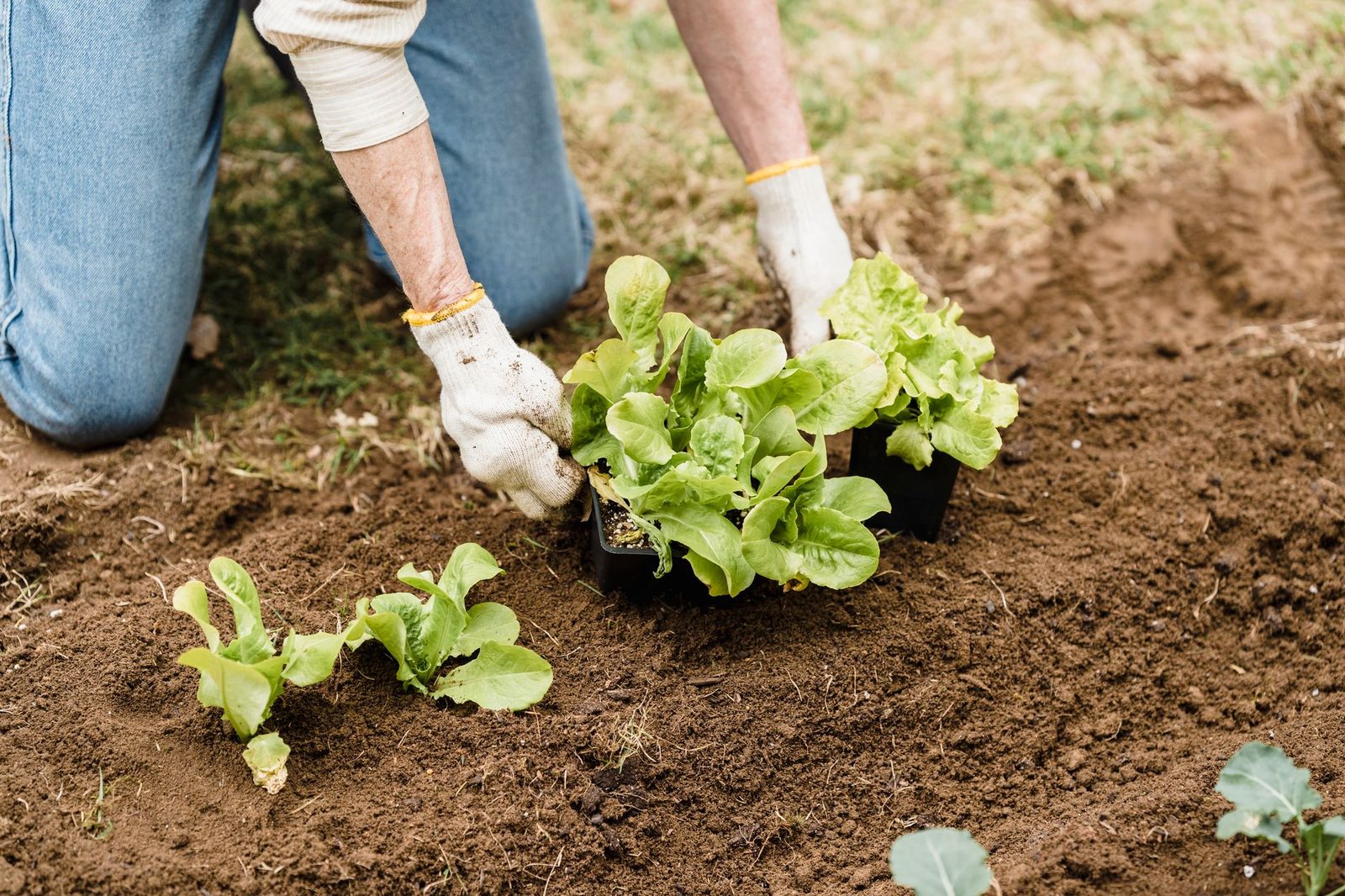
Your two most important dates are the last spring frost and the first fall frost. Everything you plant fits in the window between them. Plant too early and a late freeze kills your seedlings. Plant too late and the first frost kills the crop before it ripens.
Start with the USDA Plant Hardiness Zone Map to find your zone, then get your local frost dates from your National Weather Service forecast office. Those two pieces of information tell you what will survive in your area and when to put it in the ground.
Start small, in whatever space you have
You don't need acreage. A patio, a balcony, or a strip of lawn will do. A handful of containers can grow tomatoes, peppers, greens, and herbs. A single raised bed can grow more than most beginners expect.
Resist the urge to go big. Your first goal is to get one crop all the way to harvest. That teaches you more than a dozen half-planted beds. Once you can take a tomato from seed to fruit, add a bed. Then another.
Soil and water are the whole game
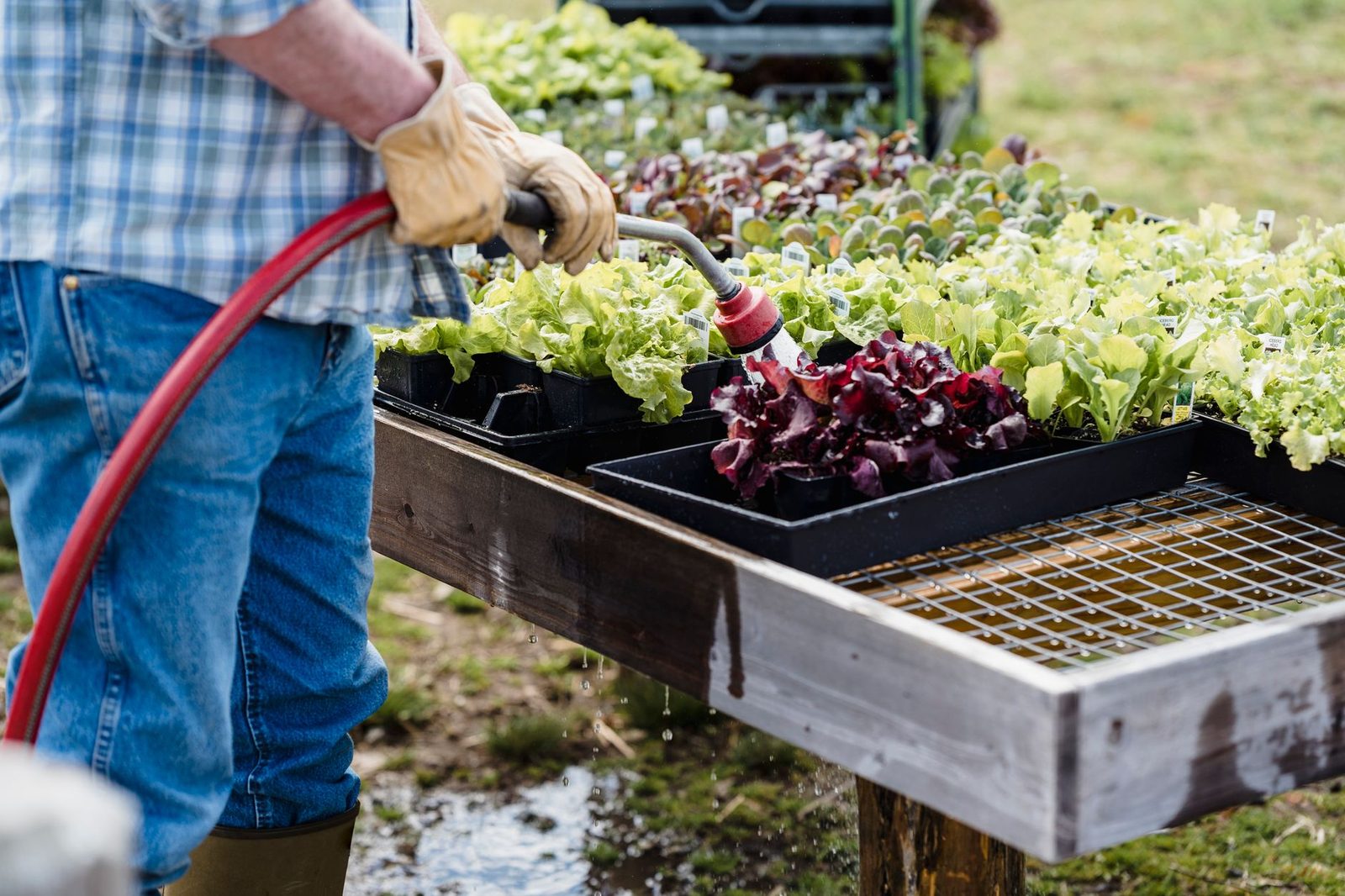
Most garden failures come down to one of two things: bad soil or not enough water.
Good soil is mostly compost. If you do one thing to prepare, start a compost pile now. It feeds your plants and turns kitchen scraps into the cheapest fertilizer you'll ever have.
Water is the part beginners underestimate. A garden drinks a lot, especially in summer, and a week of neglect can kill weeks of work. Mulch everything to hold moisture in the soil, and set up a rain barrel if you can. A garden that depends on a hose connected to a grid you might lose isn't much of a prep.
Buy seeds now, learn to save them
Seeds are cheap and they store well if you keep them cool, dry, and dark. Buy open-pollinated or heirloom varieties, because those breed true. That means the seeds you save from this year's plants grow into the same plant next year. Hybrid seeds grow fine, but their saved seed won't come back true.
Seed saving sounds advanced, but it's simple for a lot of crops. Beans, peas, tomatoes, and peppers are easy places to start. Let a few fruits ripen fully, scoop out the seeds, dry them, and jar them up. One season of saving means next year's garden costs you nothing.
Turn the surplus into storage
A garden harvest is only useful if you can keep it. The whole point of plant prepping is food in the ground and food on the shelf.
Learn to can, freeze, or dehydrate whatever you can't eat fresh. The National Center for Home Food Preservation is the authoritative source for doing it safely. Follow their tested recipes and times instead of guessing. Botulism is not a lesson you want to learn from a bad batch of green beans.
Winter squash, potatoes, onions, and garlic need almost no processing. Cure them, store them somewhere cool and dark, and they'll feed you for months. A garden that gives you a fresh surplus in summer and a stocked shelf in winter is what plant prepping actually looks like.
Grow skills, not just crops
Your first season is practice, and you will kill plants. That's the point. Starting seeds, reading the weather, managing pests, knowing when to harvest: none of it comes from a book. It only shows up when you do it.
Treat the garden as training. Two years of mediocre gardening will teach you more about feeding yourself than a garage full of freeze-dried buckets you never open. When you actually need the food, the skill will matter more than the equipment.
Common mistakes to avoid
- Starting too big. One failed mega-garden teaches less than one successful small one.
- Ignoring your zone and frost dates. You can't argue a plant into surviving your climate.
- No water plan. A garden that dies of thirst in July was never going to feed you.
- Growing what you won't eat. If it rots in the ground, it wasn't prep.
- Saving nothing. Without a preservation plan, your harvest becomes compost instead of storage.
The short version
Plant prepping is food you grow instead of food you buy. Start now, while the stakes are low. Grow calorie-dense staples you'll actually eat, learn your zone and frost dates, and start small enough to succeed. Get the soil and water right, buy open-pollinated seeds, and figure out how you'll preserve the surplus. The first season is practice. The second one is a pantry.