Food & Water
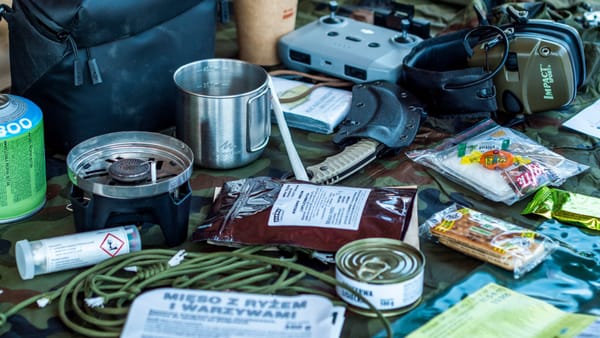
Civilian MREs: what they are, where to buy, and shelf life
What a civilian MRE actually is, whether MREs are legal to buy, how long they last, and whether they belong in your emergency food plan.

Food & Water
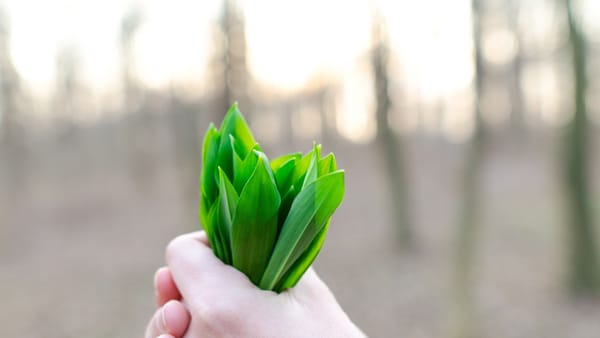
Which wild leaves are safe to eat, which poisonous lookalikes to avoid, and why leaves are a supplement to stored food rather than a replacement for it.
Food & Water
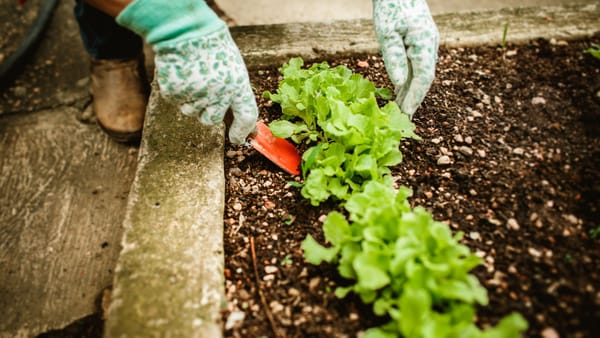
Why a garden outlasts any stockpile, and the calorie-dense crops to grow first so your food plan keeps going after the buckets run out.
Gear
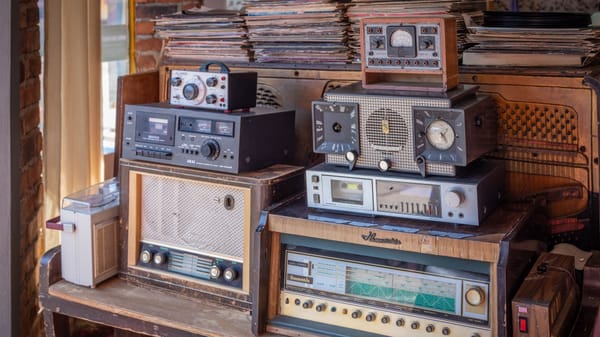
The NOAA Weather Radio channels to program before the grid goes down, plus the 3-3-3 rule that keeps your radio on the air without killing the battery.
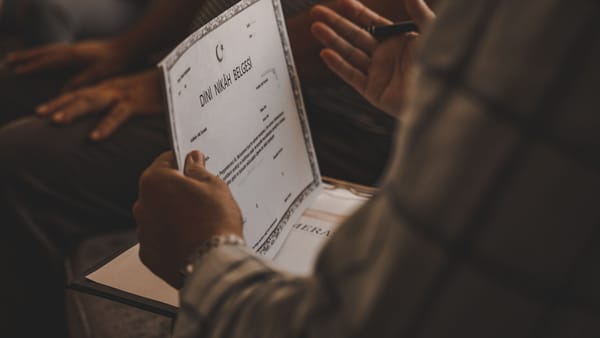
A family emergency plan beats a pile of gear every time. Grab a binder, write down who to call and where to meet, then drill it until your kids can run it in their sleep.
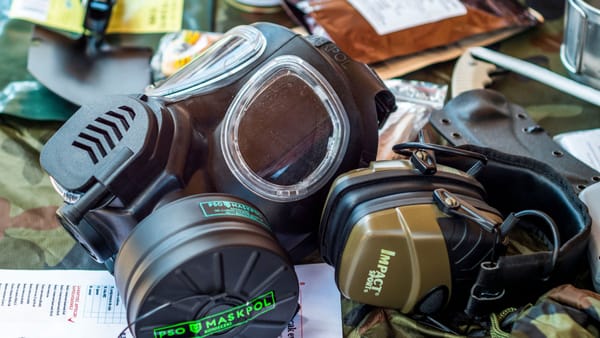
You don't need a bunker to start prepping. Cover the three things your body won't survive without: shelter, clean water, and food. Master those before you buy a single gadget.
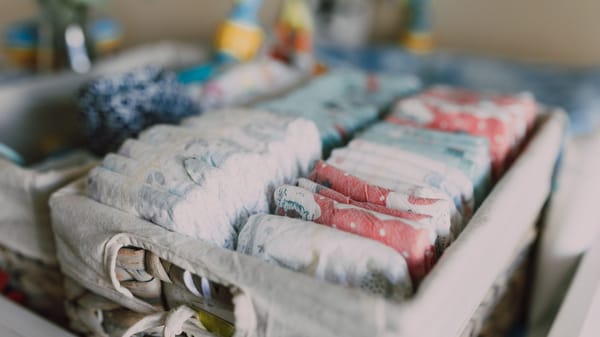
Babies don't stay one size and they won't eat the same thing two months in a row. Stock diapers across sizes, formula or shelf-stable alternatives, and the supplies to deliver unassisted if you have to.
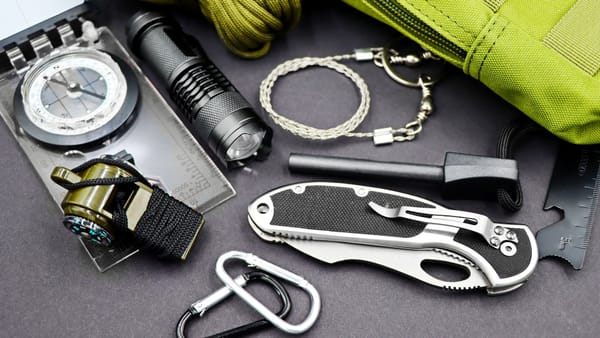
Prepping for exactly one disaster is how you get caught flat-footed. Rotate your stock, train for more than one scenario, and never pin your plan to a date on the calendar.
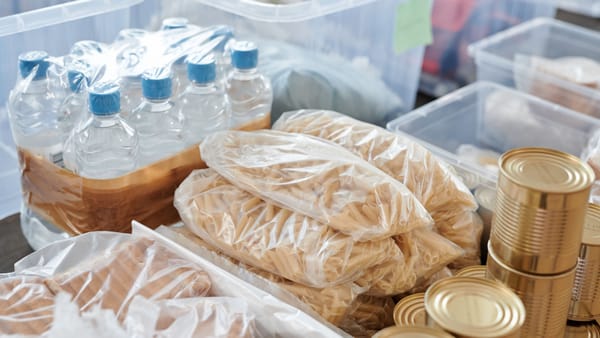
Start with a 30-day food supply, not a five-year bunker. Rice, beans, canned meat, and vegetables cover the basics cheap. Buy an extra can each grocery run and rotate what you store.
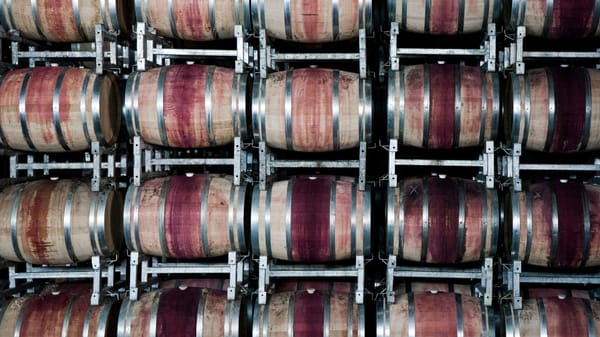
Not every container is safe for drinking water. Use food-grade plastic with the right recycling code, borosilicate glass, or stainless steel. Skip the old milk jugs and chemical drums.
Field-tested tactics for keeping your family safe, fed, and ready.
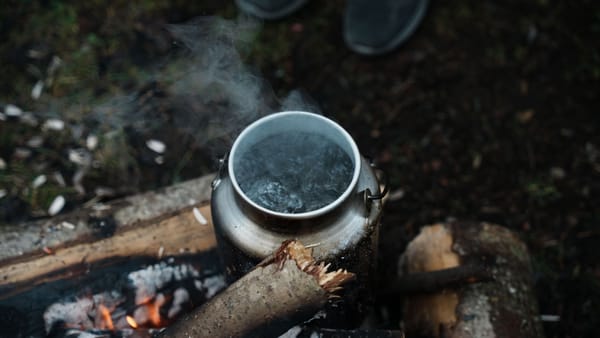
Boiling, bleach, and distillation are the three ways to make questionable water safe to drink, with the exact doses and times from EPA and Ready.gov guidance.
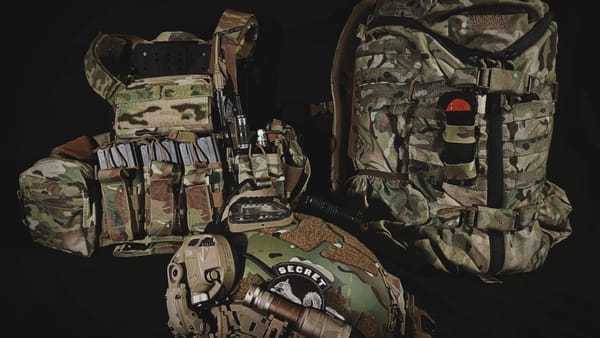
A bug out bag is a packed backpack you grab and go when you have to leave home in a hurry. Fire. Flood. A downed grid. An evacuation order. The bag is the bridge between "I have to leave now" and "I'm somewhere safe."
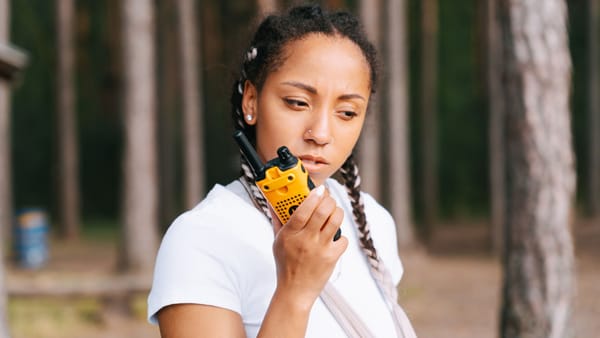
A plain-spoken guide to the radios that keep working when phones fail, from NOAA weather receivers to GMRS handhelds, and how to pick gear you will actually use.
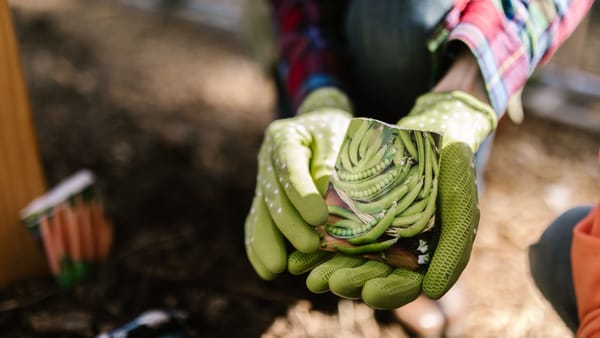
Stop buying seed packets every spring. Save seed from your strongest plants, dry it right, and store it cool and dark. Next year's garden replants itself for free, and each season it gets a little more adapted to your soil and your weather.
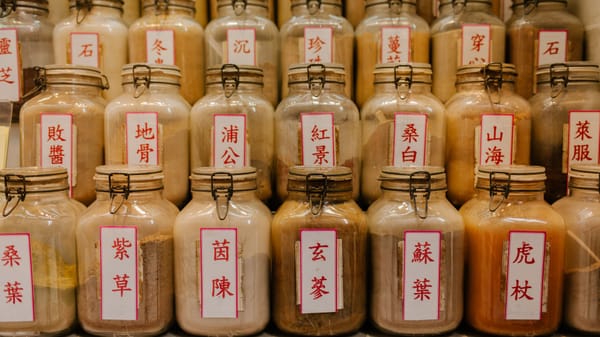
Seven common herbs can replace half your medicine cabinet. Echinacea for immunity, peppermint for digestion, chamomile for sleep. Grow them on a windowsill and dry what you don't use.
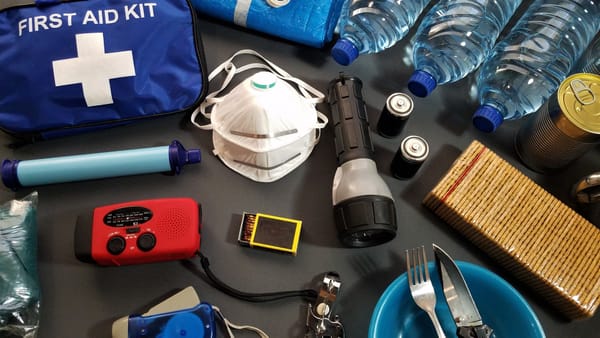
Assess the threats in your area before you buy gear. Food, water, and first aid come first, then a plan to bug in or bug out. Assume your neighbors won't stay neighborly when the lights stay off.
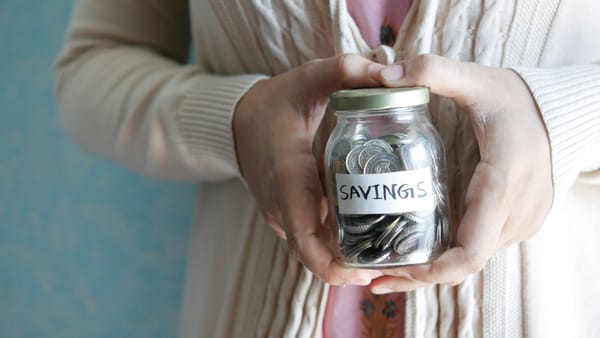
Knowledge costs nothing and weighs zero pounds. Take inventory of what you already own, set a monthly prepping budget like it's an insurance payment, and add one item at a time.
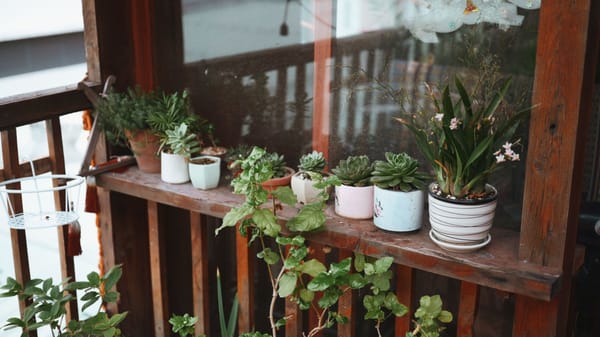
You can grow food on a balcony, a patio, or a windowsill. Good potting mix and the right container are all you need to get started. Even a few pots of greens beats zero fresh produce.
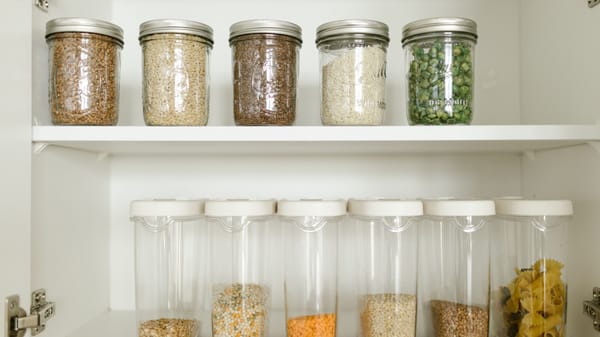
Twelve staples will feed your family for decades if you store them right. White rice, flour, honey, salt, sugar, and dried beans never really go bad. Keep them cold, dry, and sealed tight.
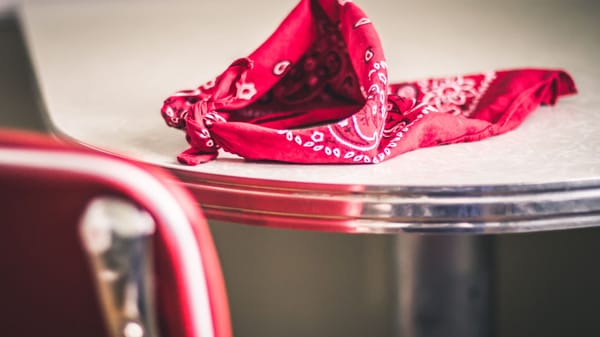
Twenty six ways to use a dollar's worth of cloth. Tourniquet, water pre-filter, sling, signal flag, trail marker, sweatband. Toss a few in every bag and vehicle you own.
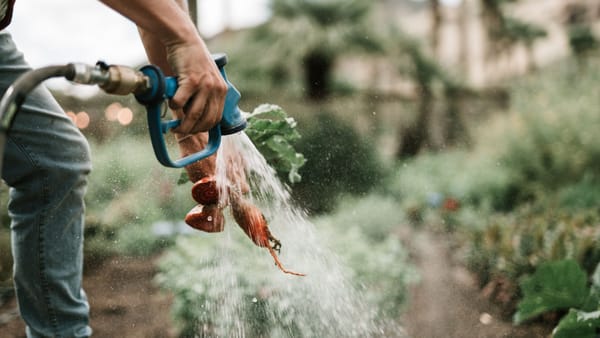
Radishes go from seed to plate in four weeks. Lettuce grows in pots. Tomatoes and peppers forgive beginner mistakes. Start with these ten crops and you'll eat from your own dirt before summer ends.
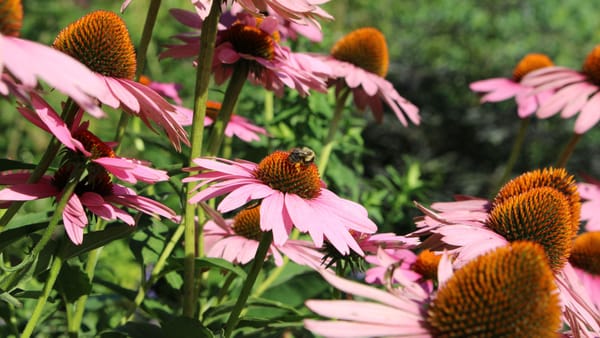
You don't need a hive to put bees to work. Plant bright flowers that bloom long, skip the pesticides, and leave a shallow dish of water out. No pollination means no food, period.