Medical Kit Checklist
A medical kit checklist for your bug out bag, covering prescription meds, first aid supplies, and the training that matters more than any gear.


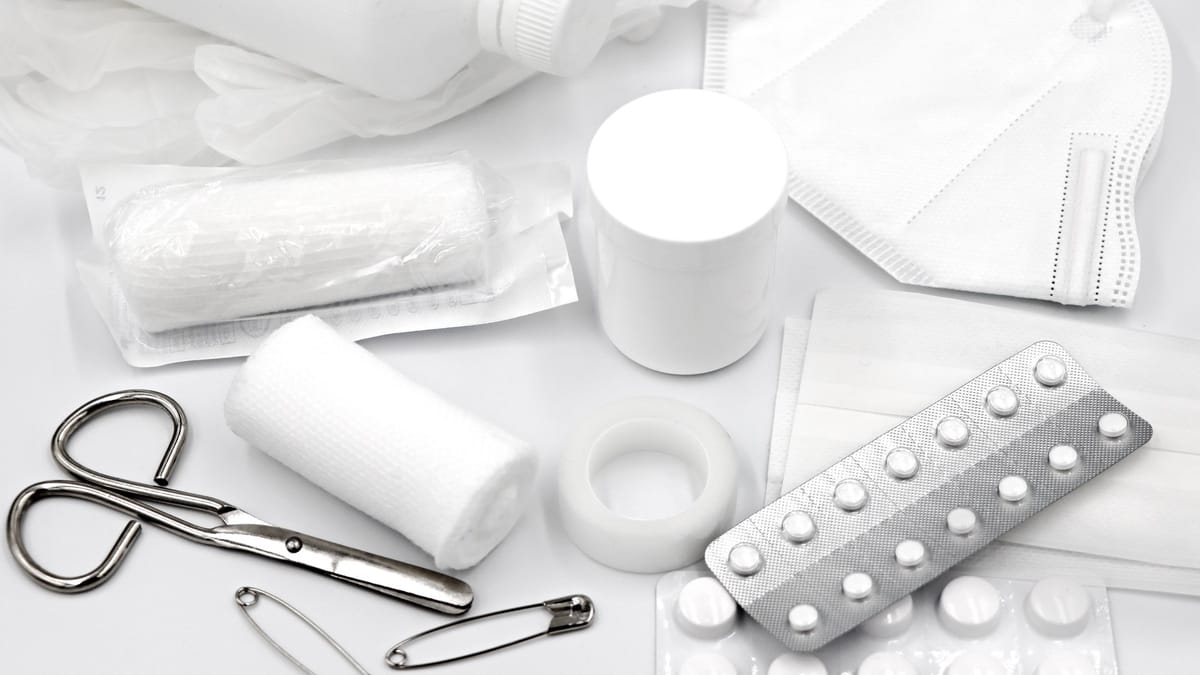
Around the house we have our regular daily medications, ibuprofen or aspirin for that backache or joint that’s been acting up, cough syrup for the all-to-frequent cold the kids bring home from school, the occasional band-aids for the same rambunctious children and those much-depended-on antihistamine for that particular time of year.For a deeper dive, see emergency med kits for preppers.
We always know right where everything is when we need them, stuffed into an overflowing medicine cabinet or in a hallway closet or a kitchen cabinet, they’re there when the need arises. But will we know where they are when a disaster hits? Will they be remembered when your family is given 8 minutes to pack up and evacuate because the winds have changed and the wildfires are sweeping down into the valley.Check out the best prepper medical kits.
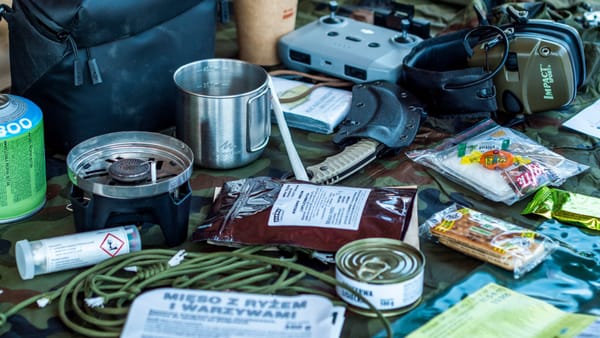
Preppers know if those daily meds and first aid supplies are already packed in your family’s emergency medical kit stuffed securely into a designated bug-out bag. There peace of mind knowing everything you need is ready to go but first you need to decide what all goes into that precious medical kit.
NOTE:
Most importantly, your mind is the best tool in any survival or emergency situation, so above all else, make sure to acquire the proper CPR, medical and/or first responder training! You could have the most well-stocked preppers medical supply kit in the world, but you won’t be much good to anyone and put yourself and your family at risk if you lack the proper medical training.
Medications
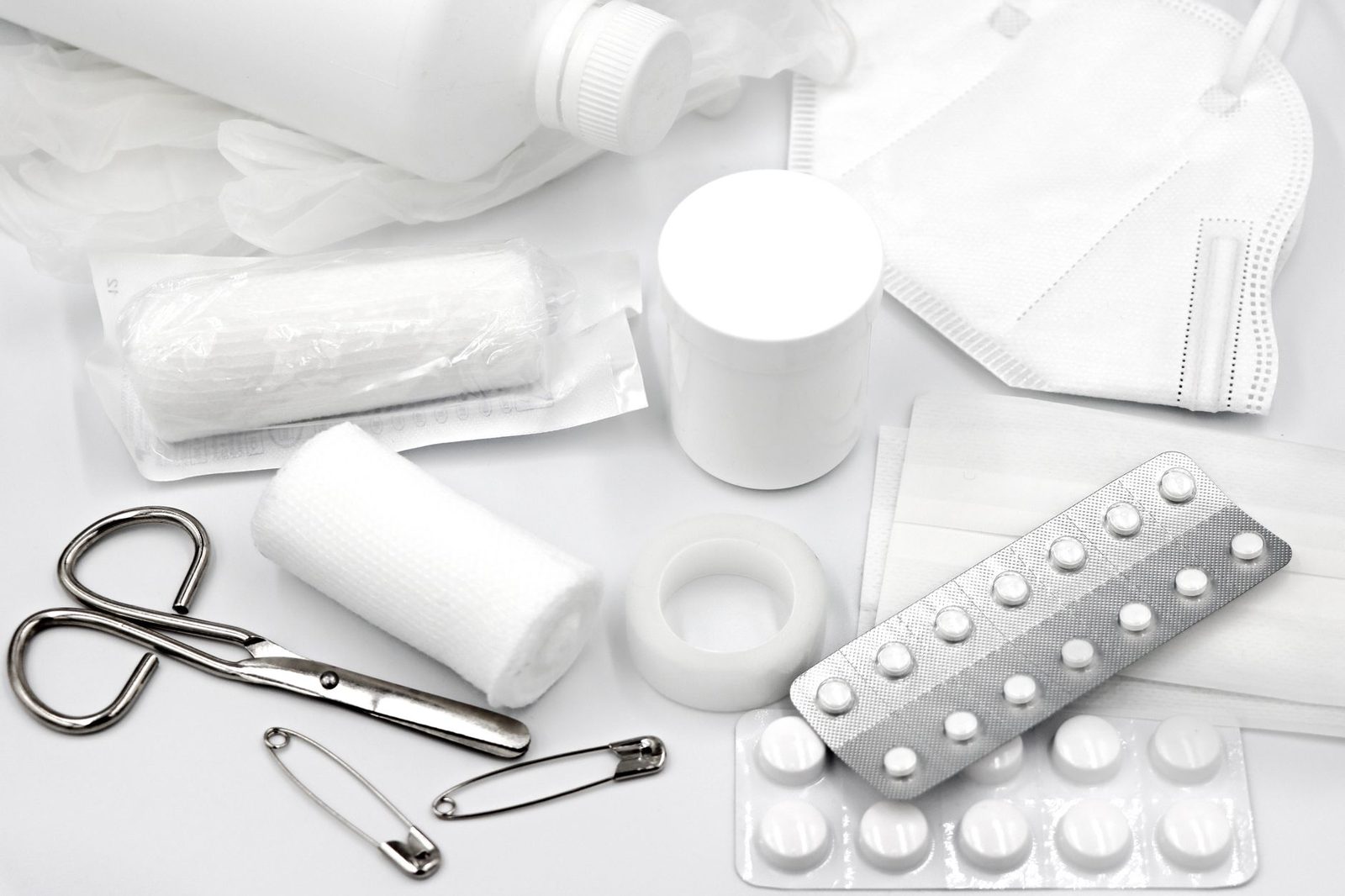
- Prescription medications — a 30-day supply with a written list of dosages
- Ibuprofen, acetaminophen, and aspirin for pain and fever
- Antihistamine (diphenhydramine) for allergic reactions
- Anti-diarrheal (loperamide) and antacid for stomach issues
- Electrolyte powder packets for dehydration and heat illness
- Antibiotic ointment and hydrocortisone cream for wounds and rashes
- Epinephrine auto-injector if anyone in your household is prescribed one
Wound Care & Trauma
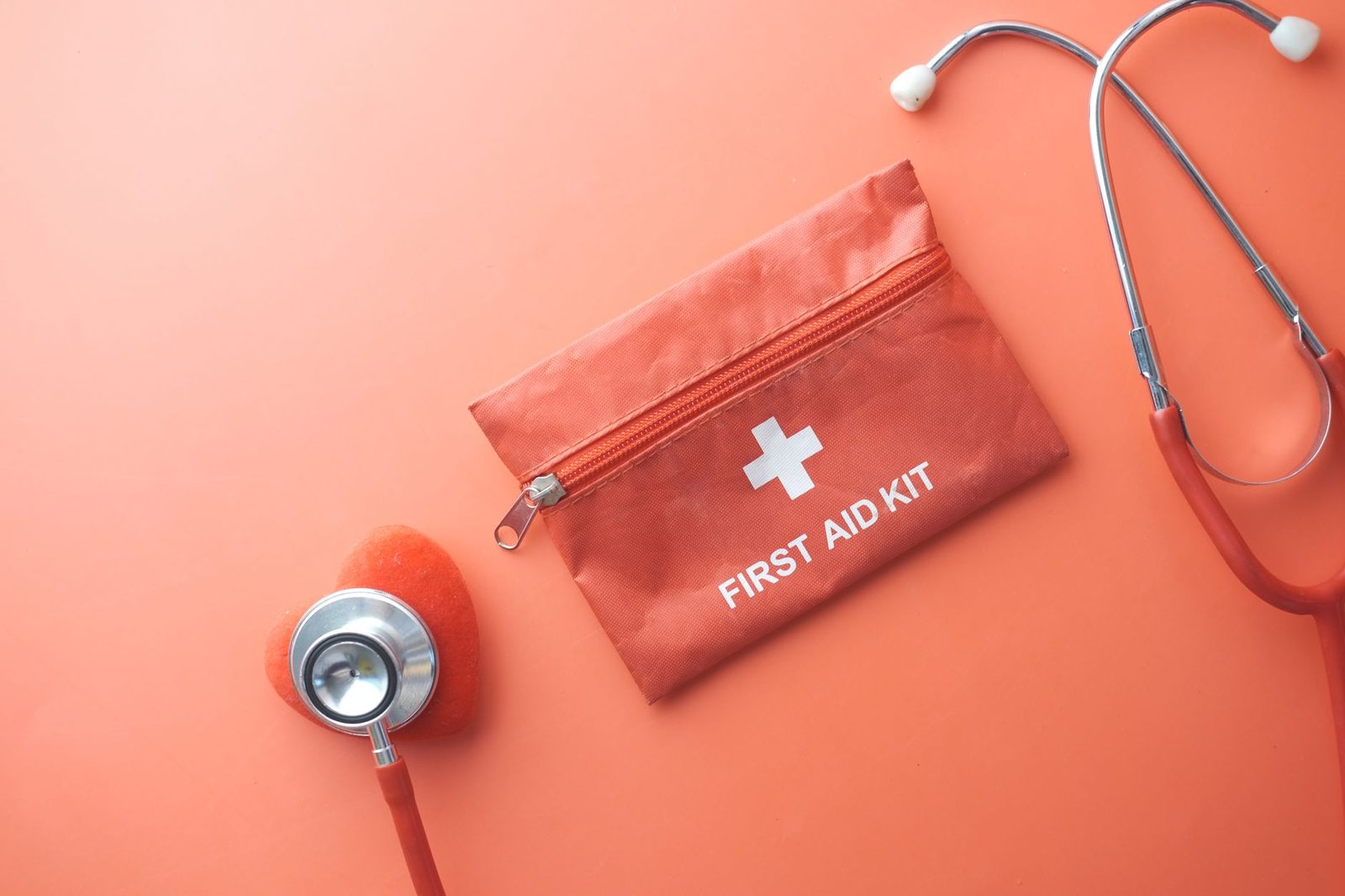
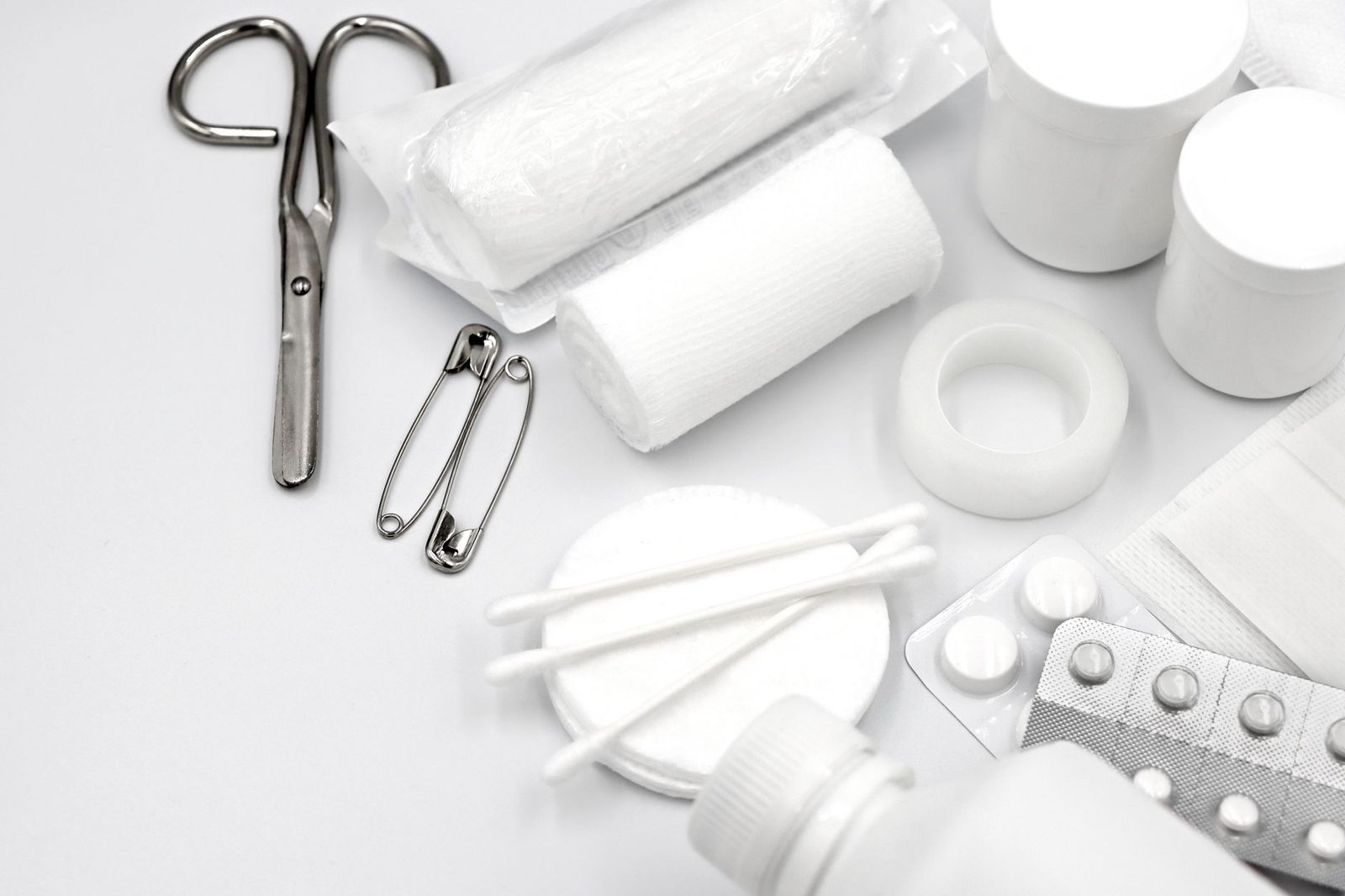
- Assorted adhesive bandages and butterfly closures
- Sterile gauze pads (4x4) and roller gauze in multiple sizes
- Medical tape and an elastic bandage (ACE wrap)
- Antiseptic wipes and povidone-iodine for cleaning wounds
- Trauma shears, tweezers, and safety pins
- Tourniquet (CAT or similar) with hemostatic gauze for severe bleeding
- Chest seal for penetrating injuries
- Instant cold packs and a hot pack
- Irrigation syringe for flushing dirt and debris from wounds
- SAM splint for immobilizing fractures
Tools & References
- Nitrile gloves — multiple pairs to prevent cross-contamination
- Digital thermometer
- CPR face shield or pocket mask
- First aid manual or laminated quick-reference card
- Notepad and pen to record vitals and medications given