Food Storage Isn’t As Easy As You First Thought!
The factors that quietly ruin stored food, from moisture and rancidity to compromised packaging, and how to pick ingredients and oils that actually last.
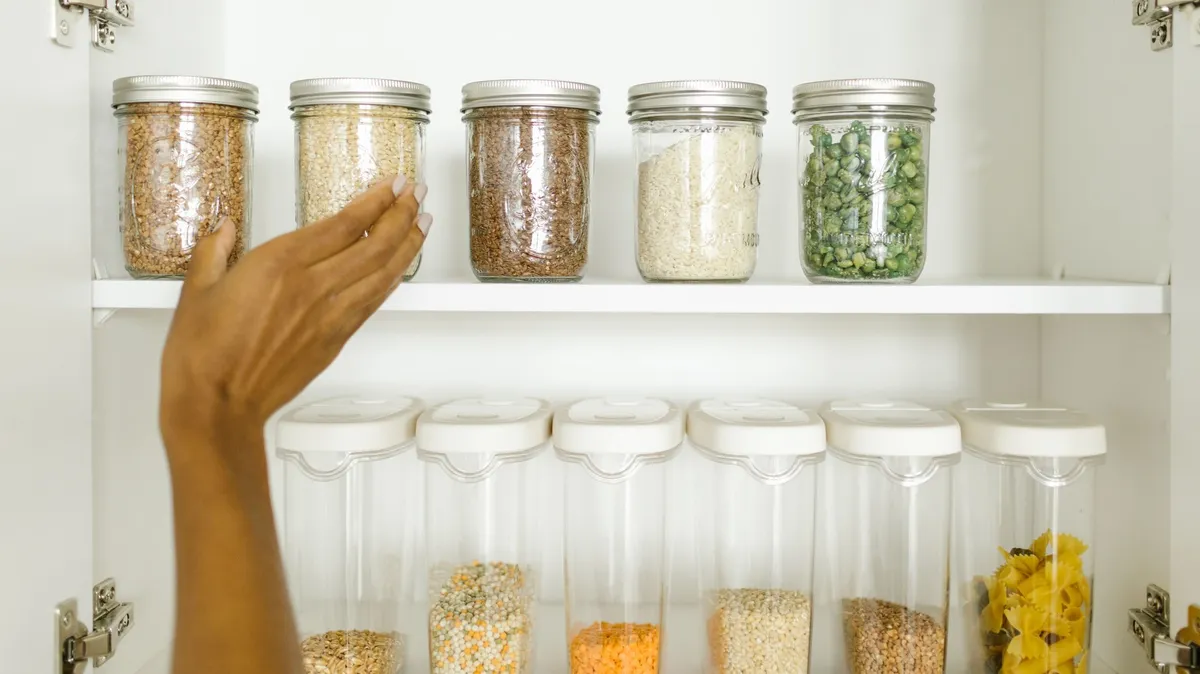


Long term food storage is not just about having the proper containment to keep foods safe for longer periods of time, but it is also about going through the proper processing and handling to ensure that the food that is stored will retain its viability. When it comes to dehydration and freeze drying, there are some factors that need to be considered to retain the quality and longevity of the food.For a deeper dive, see a DIY root cellar.
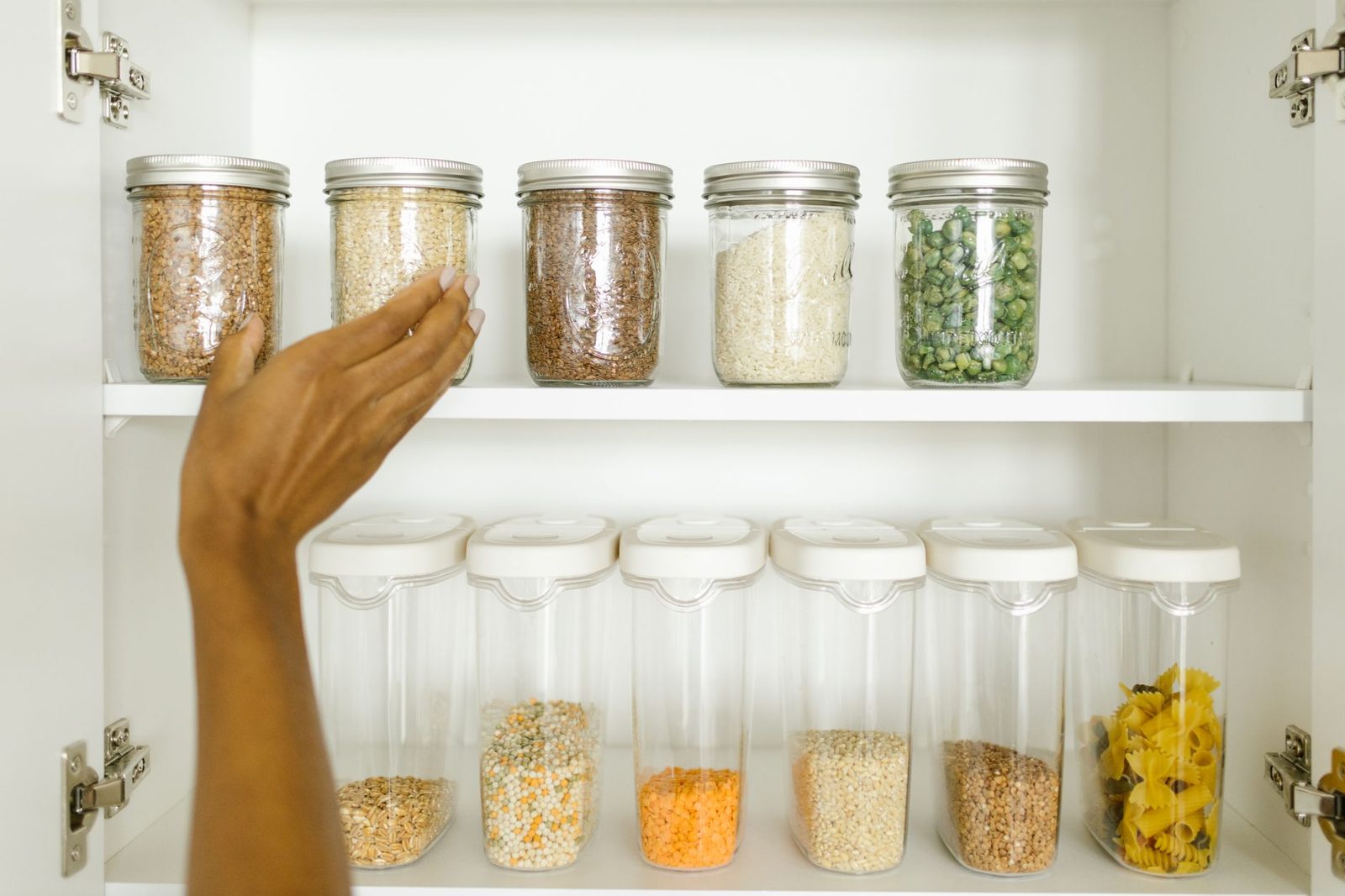
Factors that affect food storage
- Moisture content
- Microbe presence
- Nutrient breakdown
- Rancidity
- Compromised packaging
- Compromised internal environment
- Chemical additives
- Stability of ingredients
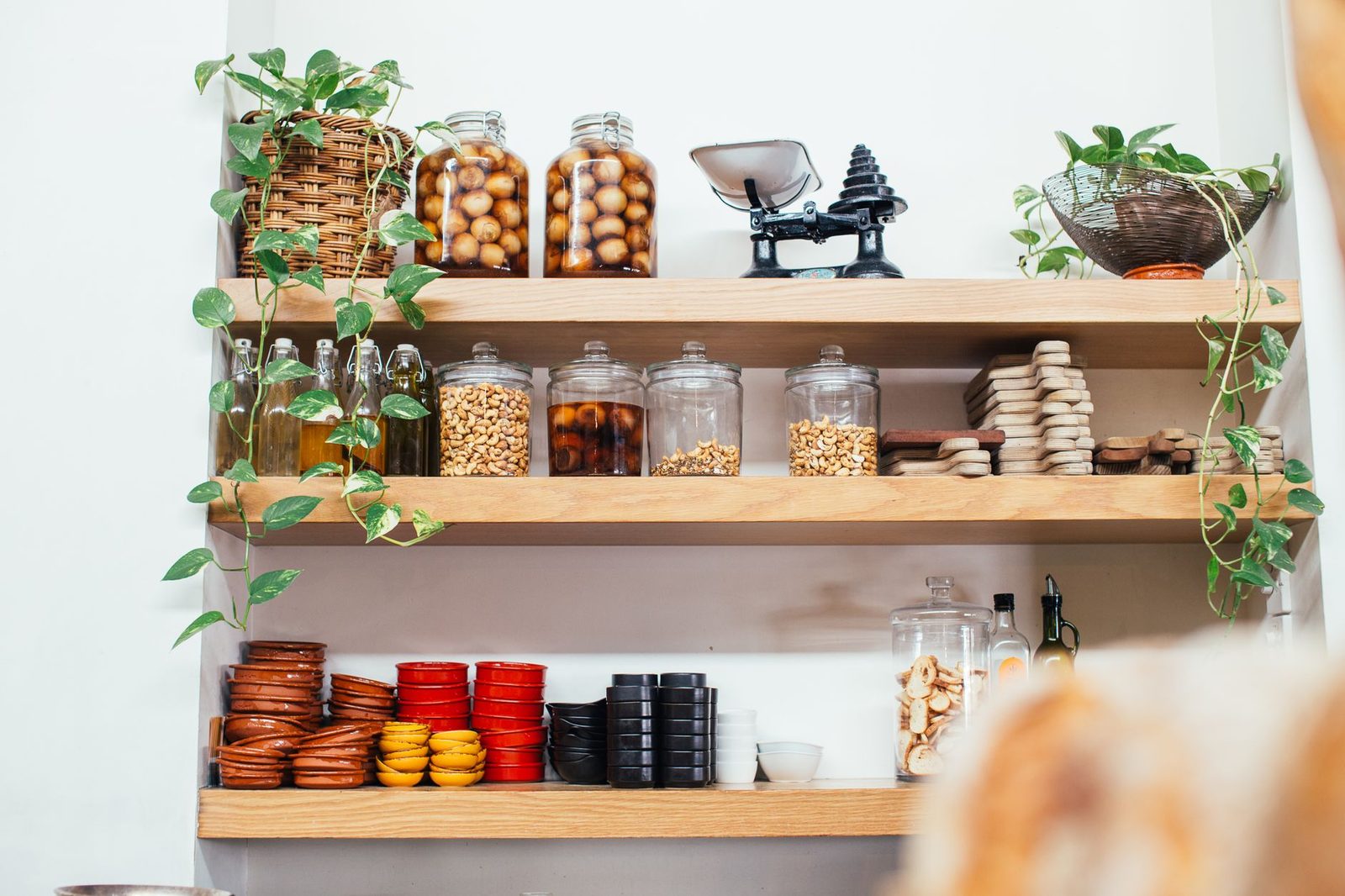
Check your ingredients
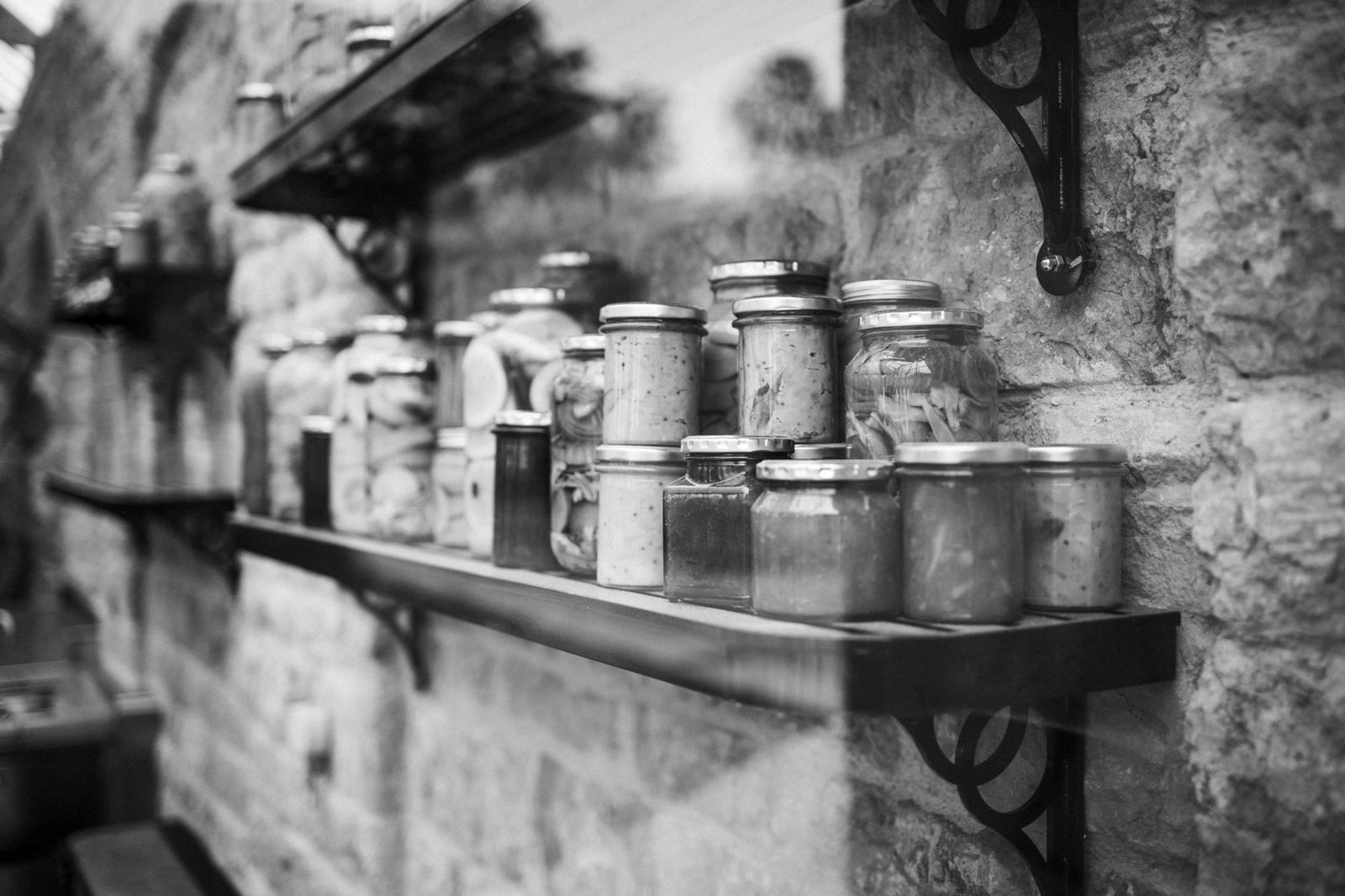
Some of these factors need to be addressed before the foods, or bulk ingredients are even parceled into rations. You need to take a closer look at each ingredient, unfortunately, no matter how stable all the other ingredients are in the product are they are only as good as their weakest link. Make sure you read your labels and make sure your not getting anything with hydrogenated oils or soy, they tend only to have a shelf life of only a few years no matter how they are marketed.
Source ingredients carefully
The next consideration has to do with how companies are sourcing ingredients. Make sure that the companies are using reputable vendors with a solid track record, who also use only natural processes in dehydrating their foods. This includes the minimal use of heat and additive preservatives so that vitamins and minerals within the ingredients are retained.
Choose stable oils
Another concern that we have been in cases where long term stored foods do require oils, either for preparation or preservation. Make sure that the only oils that are ever used are highly stable oils such as Palm or Coconut are being used. In this way, you can be certain that foods will never go rancid, even after the packages have been sealed. This also allows us to guarantee our 25-year shelf life on all products.
Packaging and oxygen removal
The next issue is the packaging of the food as well as how oxygen is eliminated from the product. If possible, the best way is to find food that is individually nitrogen flushed, to remove lingering moisture and microbes before vacuum sealing the products. Look for food kits encased in industrial grade Mylar for the greatest amount of protection, and make sure to get food that is not using the cheap tin foil like material. This will also make sure that you do not have to contend with any outside elements, including vermin, which can infiltrate your food supply.
About the Author: James Tolboe is an outdoors enthusiast and an owner at Valley Food Storage. He has a passion for helping everyone become prepared for anything that life may throw at us. For any questions visit his site at valleyfoodstorage.com!