Prepper Food Checklist
A year's worth of long-term food staples, from rice and beans to cooking oil, plus storage and cooking gear to keep your family fed through any emergency.


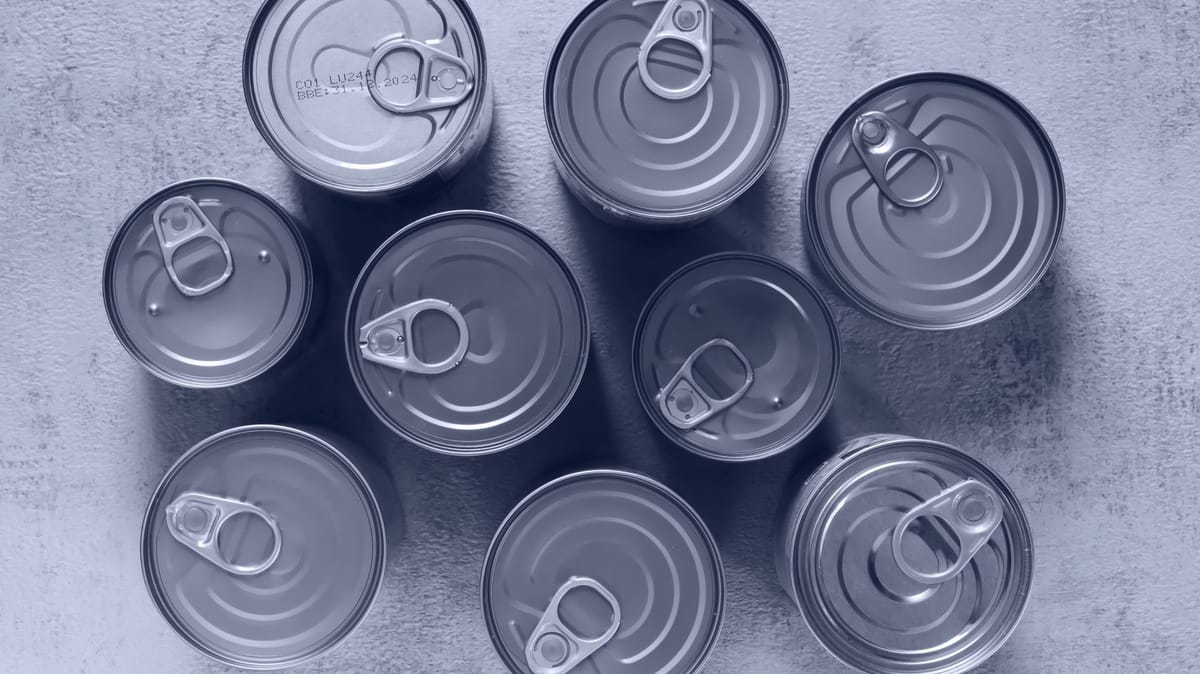
As many of you know, water is the most important emergency essential but food finishes at a very close second. The average person can last, at most, 8 weeks without food as long as they have water. But who wants to? And in an emergency situation how could you possibly function without regular, albeit rationed, meals? Now the selection of food types and preservation methods are broad, it is best to simmer it down to how many calories do we need each day. For the average, moderately active person between the ages of 14-40, 2,000-2,800 calories a daily is sufficient. The Institute of Medicine (IOM) recommends 45-65% of those calories (about 130 grams) be carbohydrates with 10% (but not more than 35%) as protein.
Carbohydrates can be found in grains (wheat, oats, rice), beans and starchy vegetables (potatoes, yams, peas, corn) and fruits. Sources of protein also include beans and vegetables like peas but are also found in nuts and any source of meat. Keep these varieties in mind for your own pantries and storage.
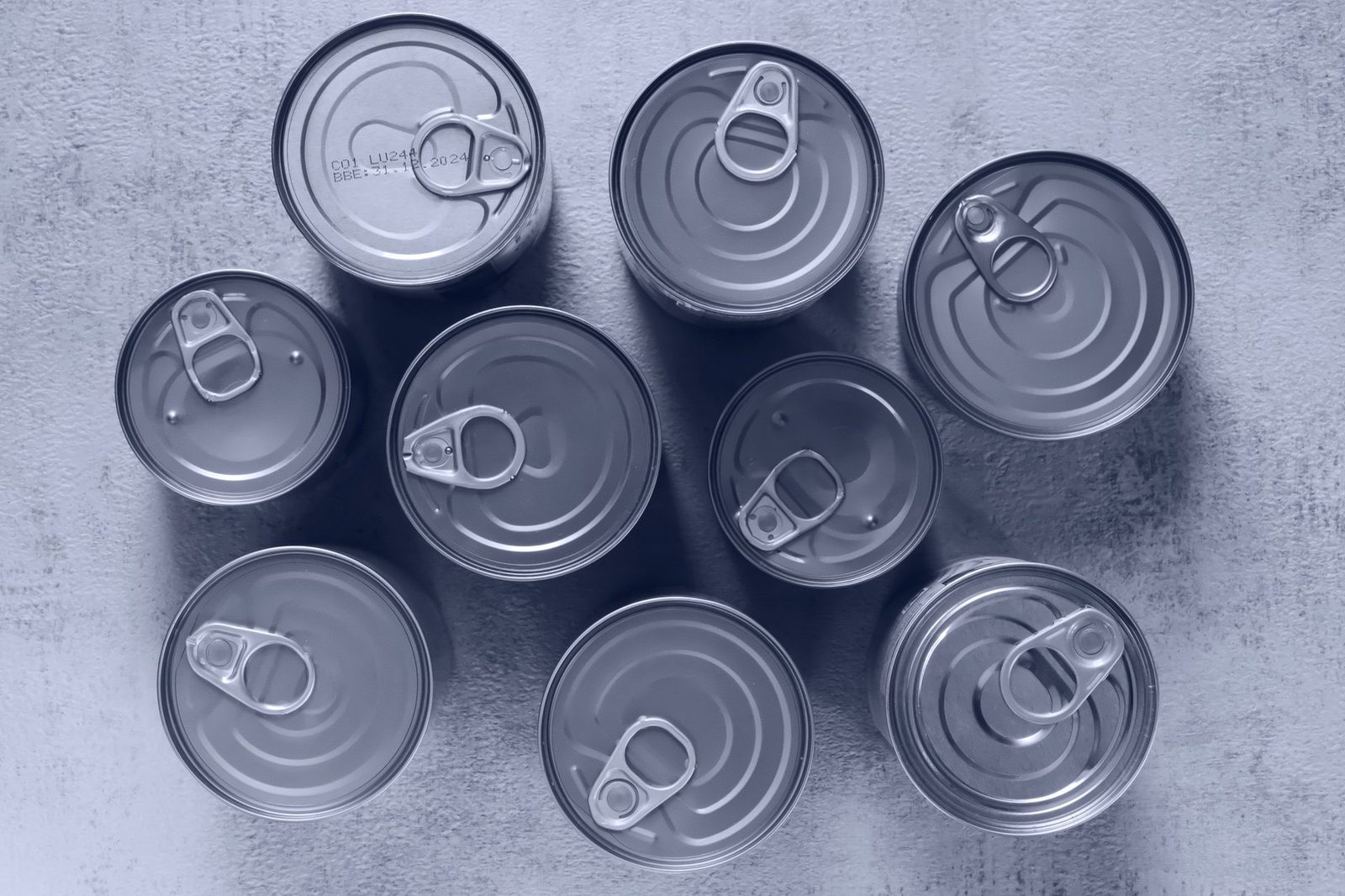
This food storage checklist contains the minimum recommended requirements for one adult to maintain for one year.For a deeper dive, see 12 long-life staples to stock.
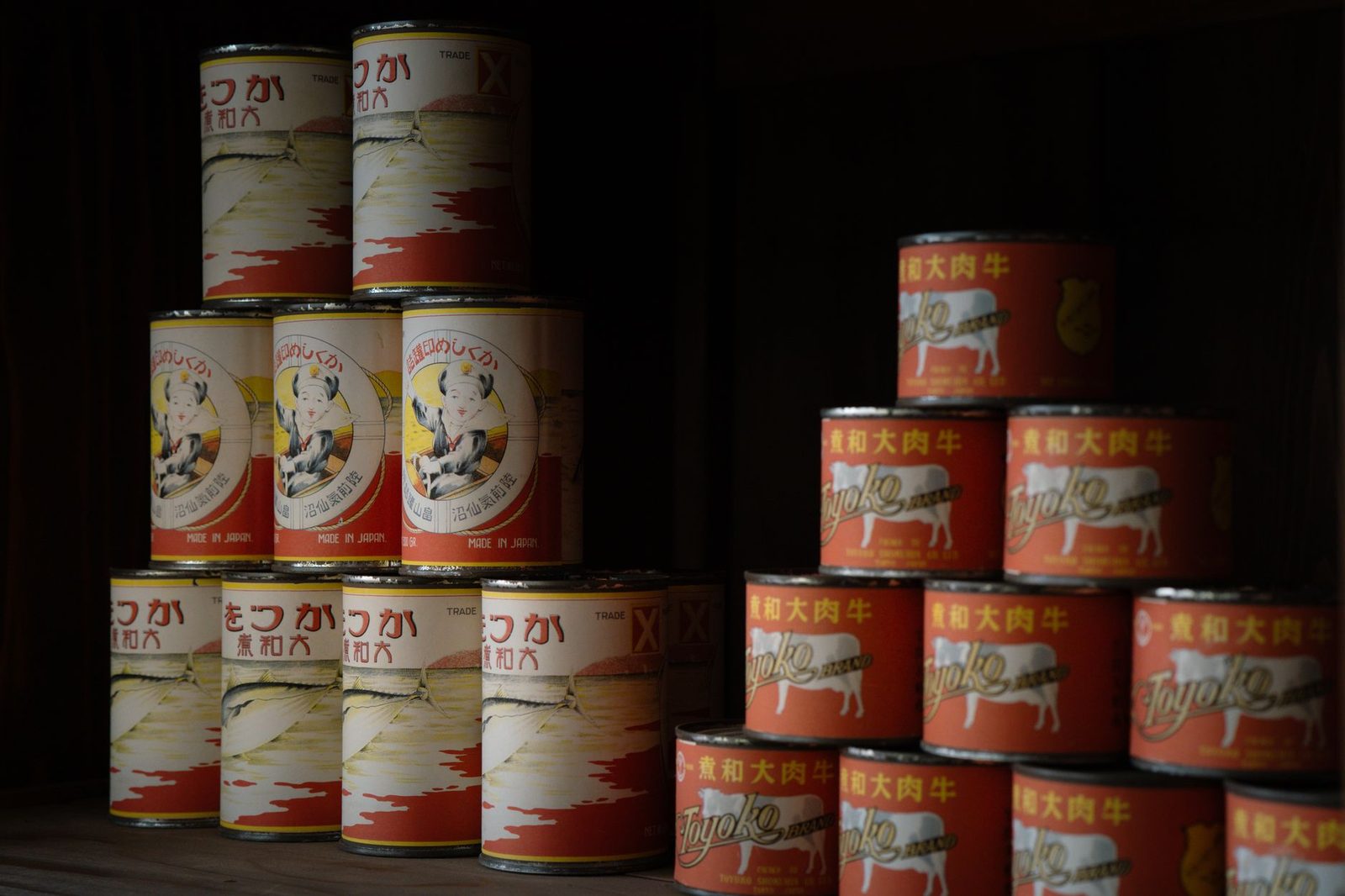
Long-Term Staples
- Rice — about 50 pounds per person per year for a calorie backbone
- Dried beans and lentils — roughly 30 pounds per person per year
- Wheat berries or all-purpose flour plus baking powder for bread
- Rolled oats for breakfasts and baking
- Pasta and noodles for fast, filling meals
- Cooking oil (vegetable or olive) — at least 2 gallons stored
- Salt, sugar, and honey for preservation and calories
- Powdered milk and shelf-stable canned milk
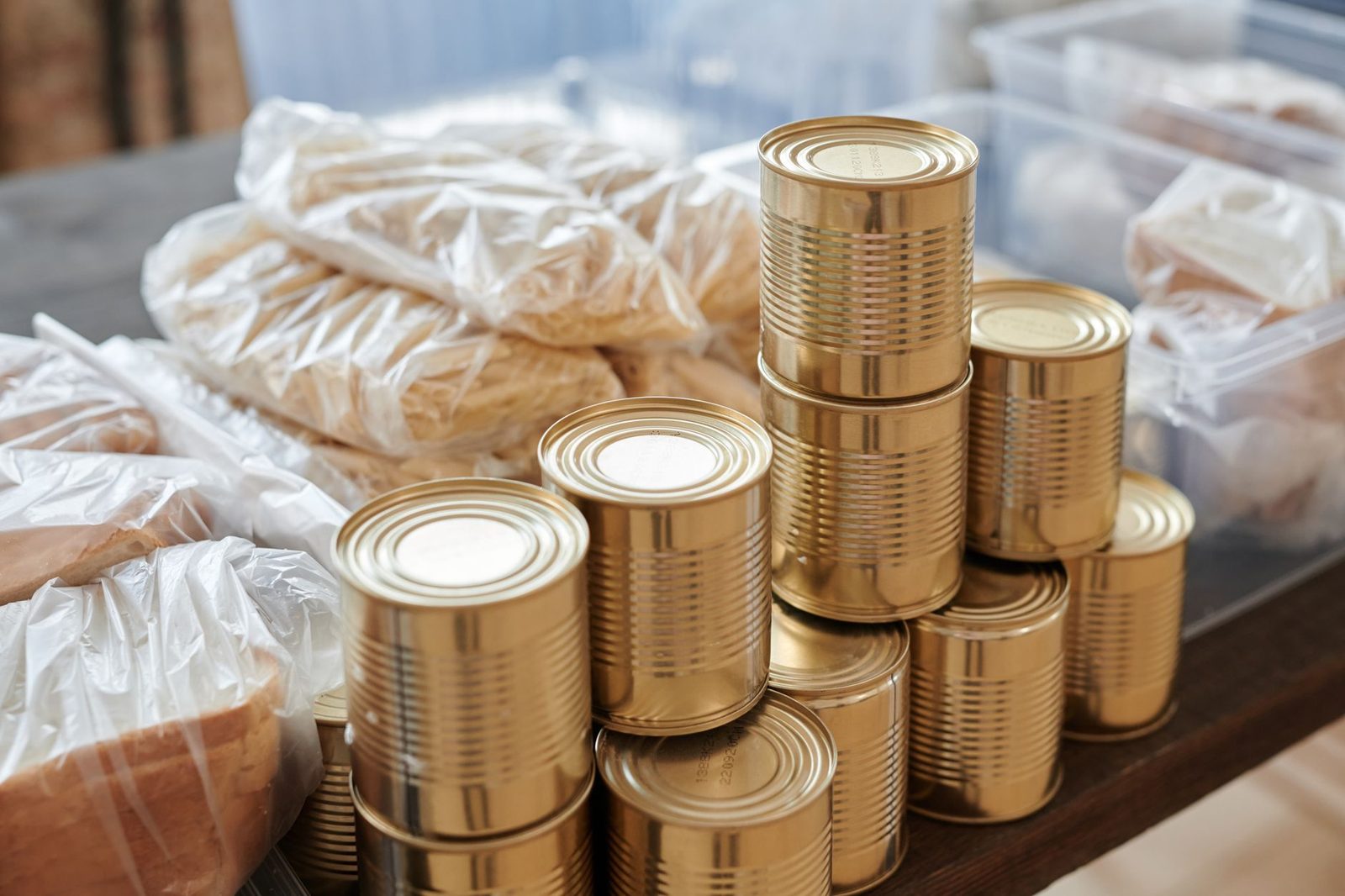
- Canned vegetables, fruits, and meats or fish for variety and nutrition
- Peanut butter and other nut butters for dense, ready-to-eat calories
- Spices, bouillon cubes, and vinegar to keep meals palatable
Storage & Cooking
- Mylar bags with oxygen absorbers for long-term dry-goods storage
- Food-grade buckets with gamma-seal lids to keep out pests and moisture
- Vacuum sealer and bags for repackaging bulk items
- Two manual can openers (one will get lost)
- Date everything and rotate using a first-in, first-out (FIFO) system
- Store food in a cool, dark, dry place that stays below 70°F
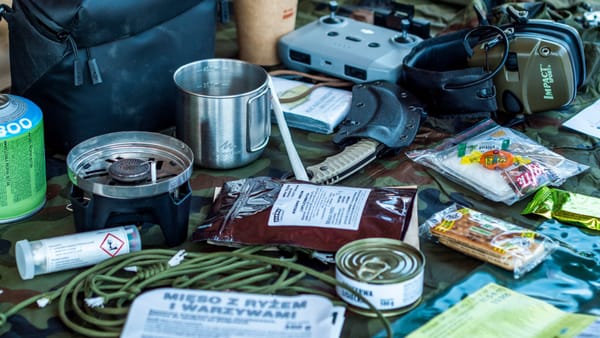
- Camp stove with propane or butane fuel and spare canisters
- Cast-iron skillet and a large pot that work over open flame
- Manual grain mill for turning stored wheat into flour
- Rocket stove or solar oven as a no-fuel cooking backup