Water Checklist
A step-by-step checklist for storing, purifying and collecting water, from gallons per person per day to filters, bleach treatment and tapping your water heater.


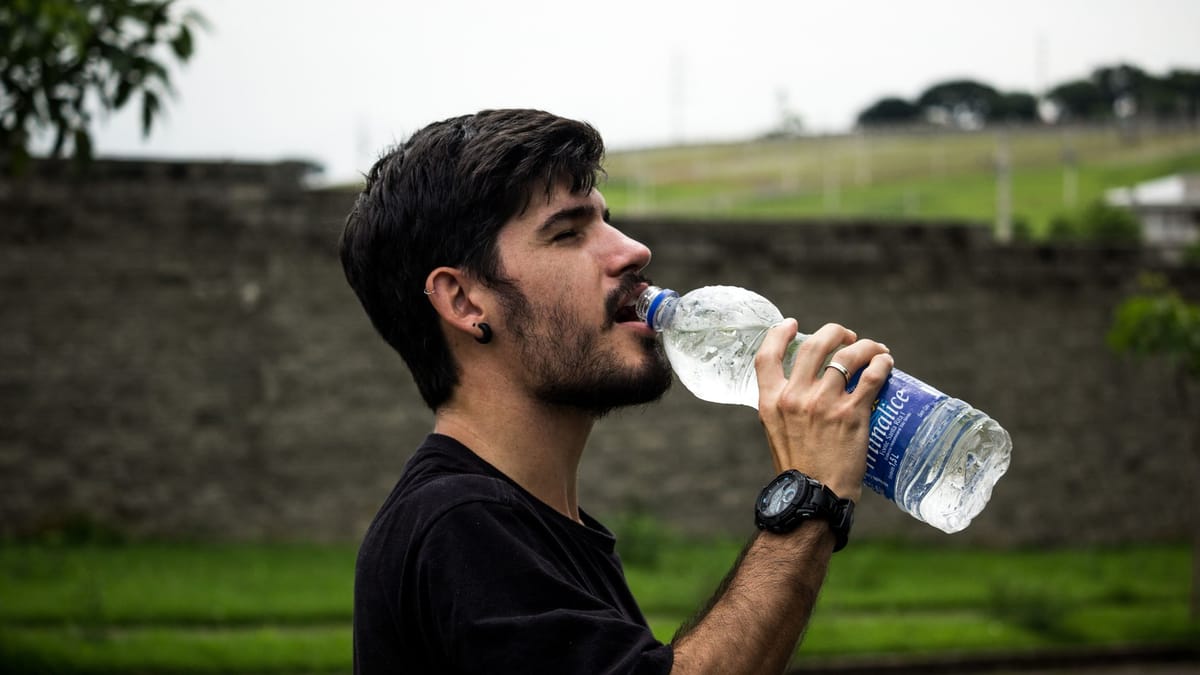
Water, above all else, is the most vital of the emergency essentials. A relatively healthy person can go upwards of 8 weeks without food but that same person, not subjected to weather extremes or above average physical exertion, will last only 3 to 5 days without water.For a deeper dive, see how to store water safely.
Most of us grew up with that standard 8 glasses of water each day drummed into our ears but times have changed (and so have medical findings). The Institute of Medicine found the most efficient way to stave off dehydration is to “drink when you’re thirsty”. While this is excellent advice, it does present a problem for those of us preparing for emergencies.Check out water purification methods.
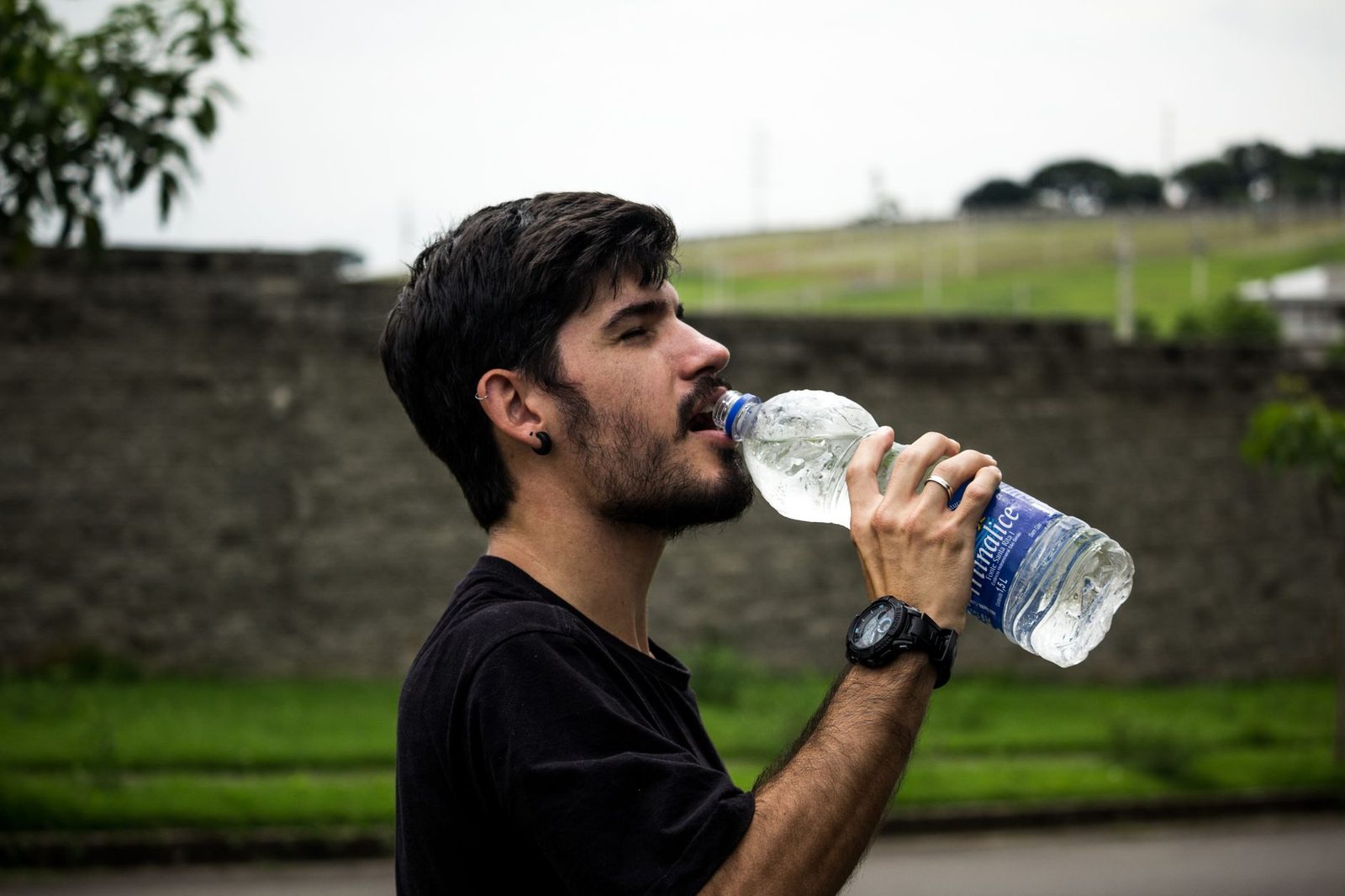
We need specific quantities, numbers to add and multiply together. Thankfully, the IOM also provided recommended amounts. The average person should have a general fluid intake of about 110 ounces (13 cups/3 liters) of water daily, slightly less for women and a little more for men. Keep in mind, while 80% of your intake comes from fluids, 20% comes from foods like fruits and vegetables.
Storing Water
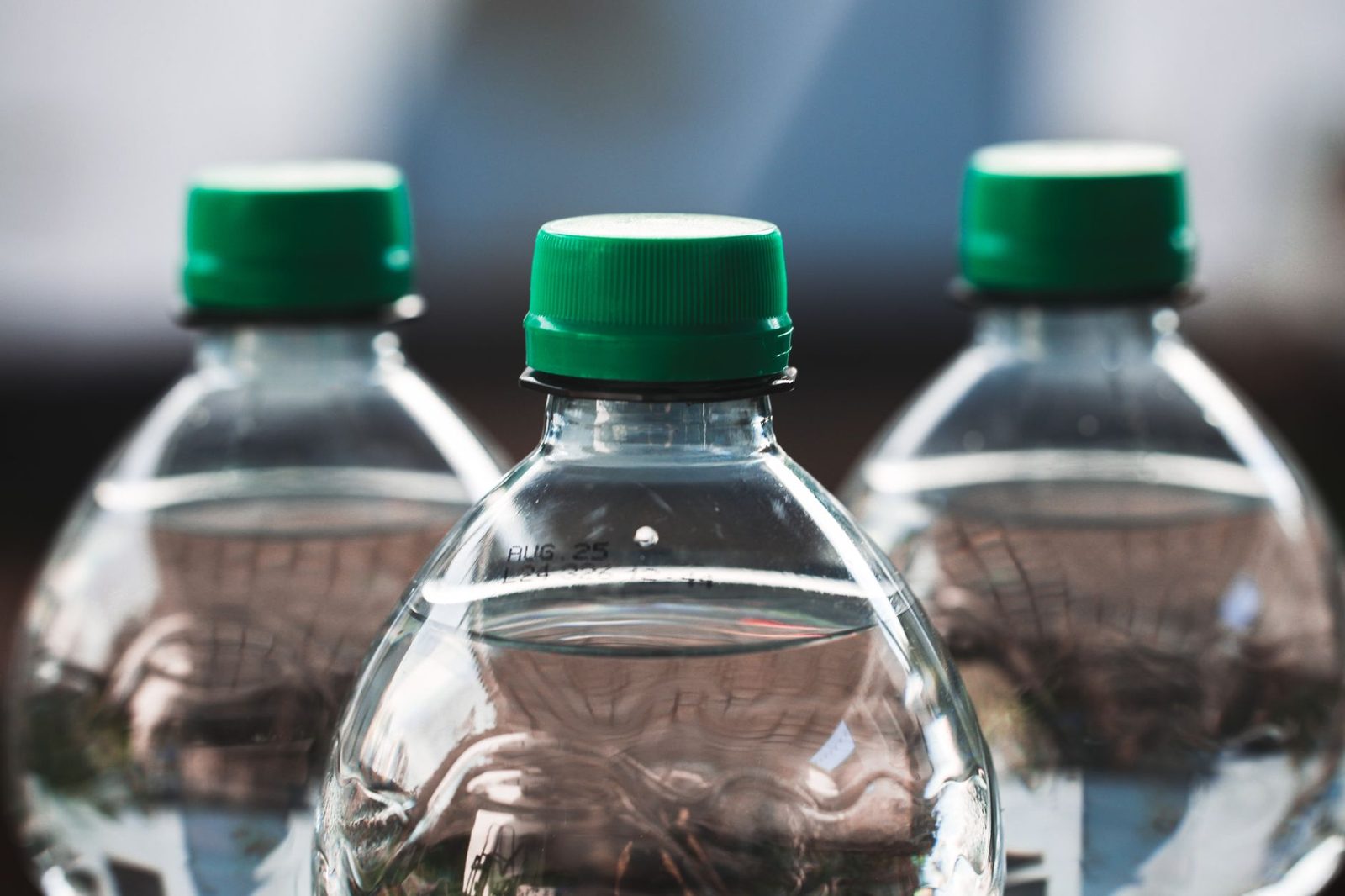
- Store 1 gallon of water per person per day, with a 2-week minimum supply
- Use food-grade, BPA-free containers or 55-gallon drums dedicated to water
- Treat stored tap water with 2 drops of unscented household bleach per gallon
- Label every container with the fill date and rotate the supply every 6 months
- Keep a WaterBOB bathtub liner (holds up to 100 gallons) for last-minute filling
- Know how to drain your water heater to access 40–80 gallons in an emergency
- Store extra water for pets, cooking, and hygiene, not just drinking
Purifying & Collecting
- Gravity filter (Berkey or similar) for daily household drinking water
- Portable squeeze filter (Sawyer or Lifestraw) for each go-bag
- Iodine or chlorine dioxide tablets as a backup purification method
- Boil cloudy or suspect water for 1 minute (3 minutes above 6,500 feet)
- Install rain barrels with downspout diverters for off-grid collection
- Keep plastic sheeting and tarps for condensation and rain catchment
- Map nearby natural water sources (rivers, lakes, springs) before you need them
- Know contamination risks and keep collection points away from runoff and septic
- Keep a bucket and unscented bleach for disinfecting containers in the field